

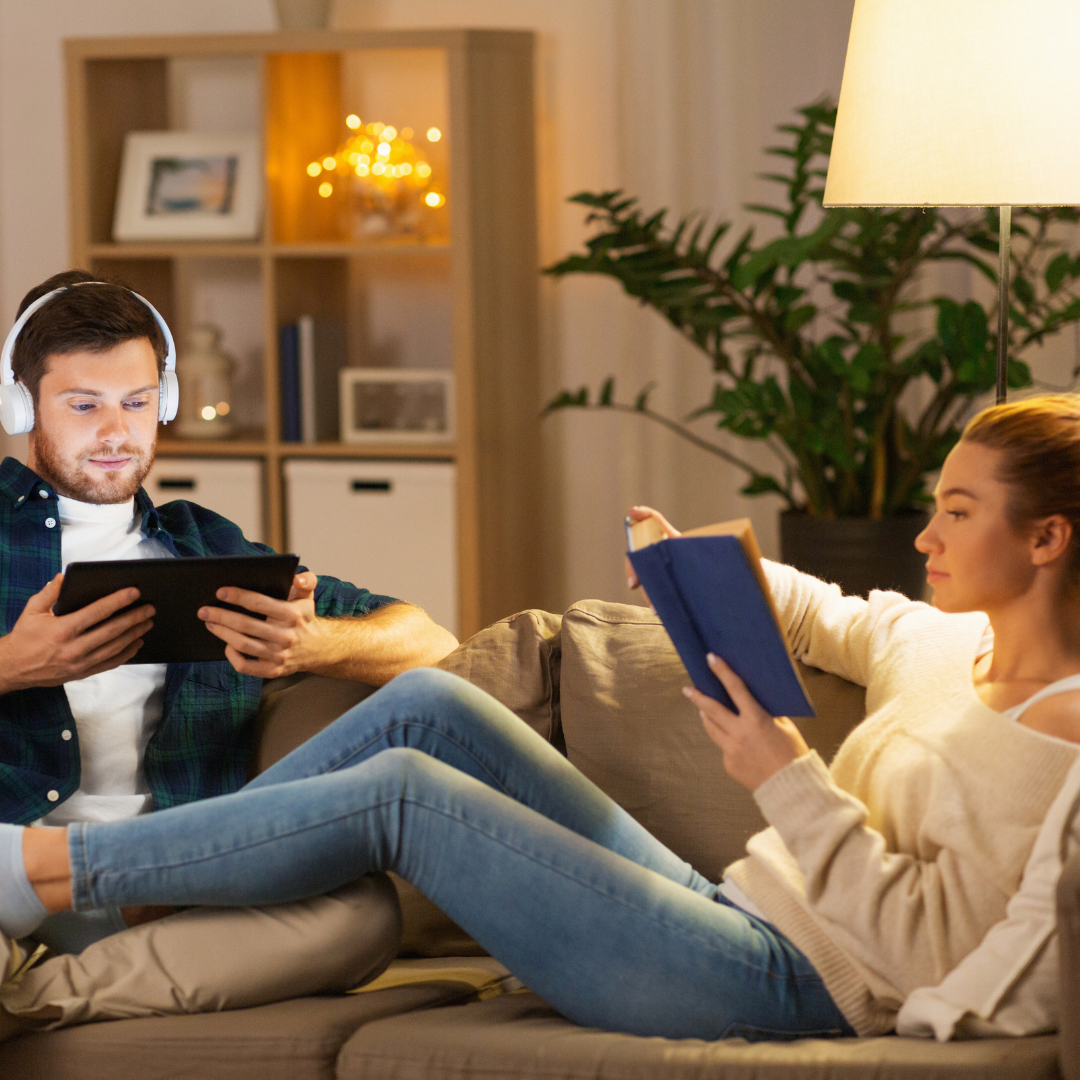
Creating a home designed for relaxation is essential in today’s fast-paced world. By focusing on soothing colors, comfortable furniture, and calming decor, individuals can transform their living spaces into serene sanctuaries. This allows for a peaceful retreat that promotes mental well-being and helps alleviate daily stress.
Incorporating elements like natural light, soft textures, and plants can further enhance the calming atmosphere. These features not only contribute to the aesthetics of a space but also foster tranquility, making it easier to unwind after a long day. Additionally, to further refine these calming spaces, homeowners often rely on top rated home renovation companies that can translate relaxation-focused design ideas into cohesive, well-executed upgrades that elevate both comfort and overall home appeal.
Beyond aesthetics, a sense of protection and durability within the home also plays an important role in supporting relaxation and peace of mind. Features such as secure windows, proper insulation, and weather-resistant materials help create a stable environment where residents feel at ease. In the same way, homeowners may turn to the best rated vinyl siding company to reinforce their home’s exterior, enhancing protection while contributing to long-term comfort and visual appeal.
Understanding how layout and ambiance affect mood is crucial in this process. By prioritizing elements that promote relaxation, anyone can create an inviting environment that encourages rest and rejuvenation.
The Principles of Relaxation-Focused Interior Design
Designing a home for relaxation involves integrating elements that foster peace and comfort. By emphasizing natural elements, balancing functionality with aesthetics, and leveraging soothing colors and lighting, one can create an inviting space.
Incorporating Natural Elements for Tranquility
Using natural elements is essential in promoting tranquility within a home. Incorporating natural materials, such as wood, stone, and textiles, enhances a calming atmosphere. These materials not only contribute to aesthetics but also create a tangible connection to nature.
Implementing indoor plants is another effective strategy. Plants can improve air quality and introduce vibrant greenery, which promotes a sense of calm. Features like water fountains or pebble accents add auditory and visual serenity, further enhancing relaxation.
Natural light is crucial as well; large windows or skylights can illuminate spaces and create an airy feel. This connection to the outdoors supports mindfulness practices, reinforcing the importance of nature in design.
Balancing Function and Form for Relaxation
Effective relaxation-focused design requires a balance between function and form. Each piece of furniture should serve a purpose while also contributing to the overall aesthetic. Selecting pieces that prioritize comfort, such as plush sofas and ergonomic chairs, ensures a restful environment.
Arrangement matters; creating open spaces can promote a sense of freedom. Avoid clutter by implementing smart storage solutions that blend with the design. This deliberate layout fosters a calm and organized space, essential for relaxation.
Incorporating multifunctional furniture is another effective approach. Items like storage ottomans or fold-out tables enhance utility without sacrificing beauty. This balance ensures that the space encourages restfulness without becoming overwhelming.
Utilizing Color Schemes and Soft Lighting
Color plays a pivotal role in setting the mood of a home. Soothing colors such as soft blues, greens, and muted earth tones create a calming backdrop. These shades can reduce stress and promote relaxation.
Accent colors and textures can complement the primary palette, adding depth without overwhelming the senses. Fabrics like linen or cotton in these colors contribute to this peaceful environment.
Soft lighting enhances the calming effect of colors. Utilizing dimmable lights or lamps with warm bulbs can create an inviting atmosphere. This approach mimics natural light, further enhancing the tranquility of the space.
Lighting can also be layered; combining ambient, task, and accent lighting provides flexibility. This versatility supports various activities, ensuring the space remains conducive to relaxation at all times.
Creating Calm Spaces Throughout Your Home
Designing spaces that promote relaxation involves careful consideration of various elements. Key aspects include color palettes, textures, and personal touches that create a soothing atmosphere. Below are specific approaches to achieving calmness in the living room, bedroom, and bathroom.
Designing a Serene Living Room
A serene living room serves as a refuge from daily stress. Soft, neutral colors such as soft blues, greens, and warm grays can help set a tranquil tone. Adding comfortable furniture, like a plush sofa and cozy armchairs, invites relaxation.
Incorporating indoor plants and fresh flowers not only enhances aesthetics but also improves air quality. A reading nook equipped with good lighting and comfortable seating encourages peaceful downtime.
Scented candles or essential oil diffusers can add calming aromas, enhancing the overall atmosphere. Positioning a small water feature, such as a tabletop fountain, can provide a soothing sound that promotes serenity.
Cultivating a Peaceful Bedroom Environment
The bedroom should be a personal sanctuary designed for rest. Dark, calming colors on the walls create an inviting atmosphere, while soft bedding and layered textures enhance comfort.
Strategically placed houseplants can introduce a natural element, improving air quality and adding vibrancy. A carefully chosen reading nook or chaise lounge can offer a retreat for quiet moments.
Smart use of light is key. Sheer curtains allow natural light during the day, while dimmable bedside lamps help establish a calming ambiance at night. Personal touches such as favorite photos or meaningful decor complete the evening environment.
Transforming Your Bathroom Into a Spa-Like Atmosphere
A spa-like bathroom enhances relaxation with a focus on comfort and tranquility. Start by decluttering the space, ensuring it feels open and inviting. Use calming colors like soft whites and gentle pastels to create a serene backdrop.
Incorporate features such as a water feature or a small indoor plant to establish a natural vibe. Scented candles and high-quality soaps can elevate the sensory experience, making bath time more enjoyable.
Adding plush towels and a soft robe can enhance comfort. To further elevate the sense of luxury and ensure a consistently warm and inviting space, consider the benefits of efficient Bathroom Radiators. Creating a designated area for relaxation, such as a soaking tub with candles nearby, completes the spa-like feel. This promotes an escape from everyday stressors, transforming the bathroom into a retreat.
For those seeking a truly comprehensive transformation, beyond just accessories, a professional renovation can fundamentally redefine the space. Expert services can redesign layouts, install luxurious fixtures, and incorporate custom elements like walk-in showers or bespoke vanities. Such comprehensive upgrades ensure the space not only looks beautiful but also functions perfectly as a personal sanctuary. Companies like Yorkland Homes specialize in creating these bespoke bathroom transformations, turning visions of a dream oasis into reality. This level of detail ensures every aspect contributes to an unparalleled sense of calm and luxury.
Enhancing Home Wellness Through Intentional Practices
Creating a restful home environment can be achieved through specific practices aimed at improving mental clarity, physical health, and emotional well-being. By focusing on decluttering, air quality, and personal touches, individuals can foster a space that promotes relaxation and wellness.
Practicing Decluttering for Mental Clarity
Decluttering is essential for mental clarity. A cluttered space can lead to visual distractions and increase stress levels. Individuals should start by removing unnecessary items and organizing what remains.
Steps to Declutter:
- Begin with one room or area.
- Sort items into categories: keep, donate, or discard.
- Use storage solutions to minimize visual clutter.
Incorporating mindfulness into decluttering can enhance the process. Taking time to reflect on each item can help individuals understand its significance, allowing for a more intentional approach to belongings. Ultimately, a well-organized space can improve focus and reduce anxiety, contributing to overall mental health.
Boosting Air Quality for Physical Health
Air quality plays a vital role in physical health and wellness. Poor indoor air quality can lead to health issues, including headaches and respiratory problems. To enhance air quality, individuals can utilize various methods.
Effective Strategies:
- Introduce houseplants such as snake plants or peace lilies that filter toxins.
- Use air purifiers to remove pollutants.
- Ensure proper ventilation by opening windows regularly.
In addition, incorporating essential oils can offer mood boosts and relaxation. Diffusing oils like lavender or eucalyptus not only improves scent but can also promote better sleep and wellness.
Incorporating Personal Touches for Emotional Well-Being
Personal touches in a home can significantly impact emotional well-being. By surrounding oneself with meaningful items, individuals can create a nurturing environment that resonates with their identity.
Ways to Personalize Space:
- Display photographs or artwork that evoke positive memories.
- Incorporate textiles such as cushions or blankets in favorite colors or patterns.
- Create designated spaces for relaxation, such as a reading nook or meditation area.
These elements contribute to a sense of belonging and comfort. Ultimately, personalized spaces can enhance mood and encourage mindfulness, aligning with personal wellness goals.
Maintaining and Adapting Your Relaxing Environment
Regular maintenance is crucial for a calming atmosphere. Keeping spaces clean and organized promotes a peaceful retreat. This can be done through consistent tidying and decluttering.
Intentional design choices play a key role. Using a minimalist approach can enhance simplicity and reduce stress. Incorporating soft textiles and reclaimed wood adds warmth and comfort.
Natural elements like greenery can improve the environment. Houseplants not only purify air but also introduce life to a space. Creating a relaxation zone with large windows allows for ample natural light, which is vital for fostering tranquility.
Incorporating feng shui principles can further enhance relaxation. Arranging furniture to promote flow can eliminate obstacles and create harmony. This deliberate layout can contribute to an overall sense of calm.
Adapting the environment seasonally can sustain relaxation. Soft furnishings can be changed for comfort during winter or light fabrics for summer. Creating an outdoor space with seating can extend relaxing areas, encouraging time spent in nature.
Regularly assessing and adjusting the environment ensures it continues to serve its purpose. This flexibility helps maintain a calming atmosphere, inviting users to enjoy their peaceful retreat continuously.
Leave a Reply