

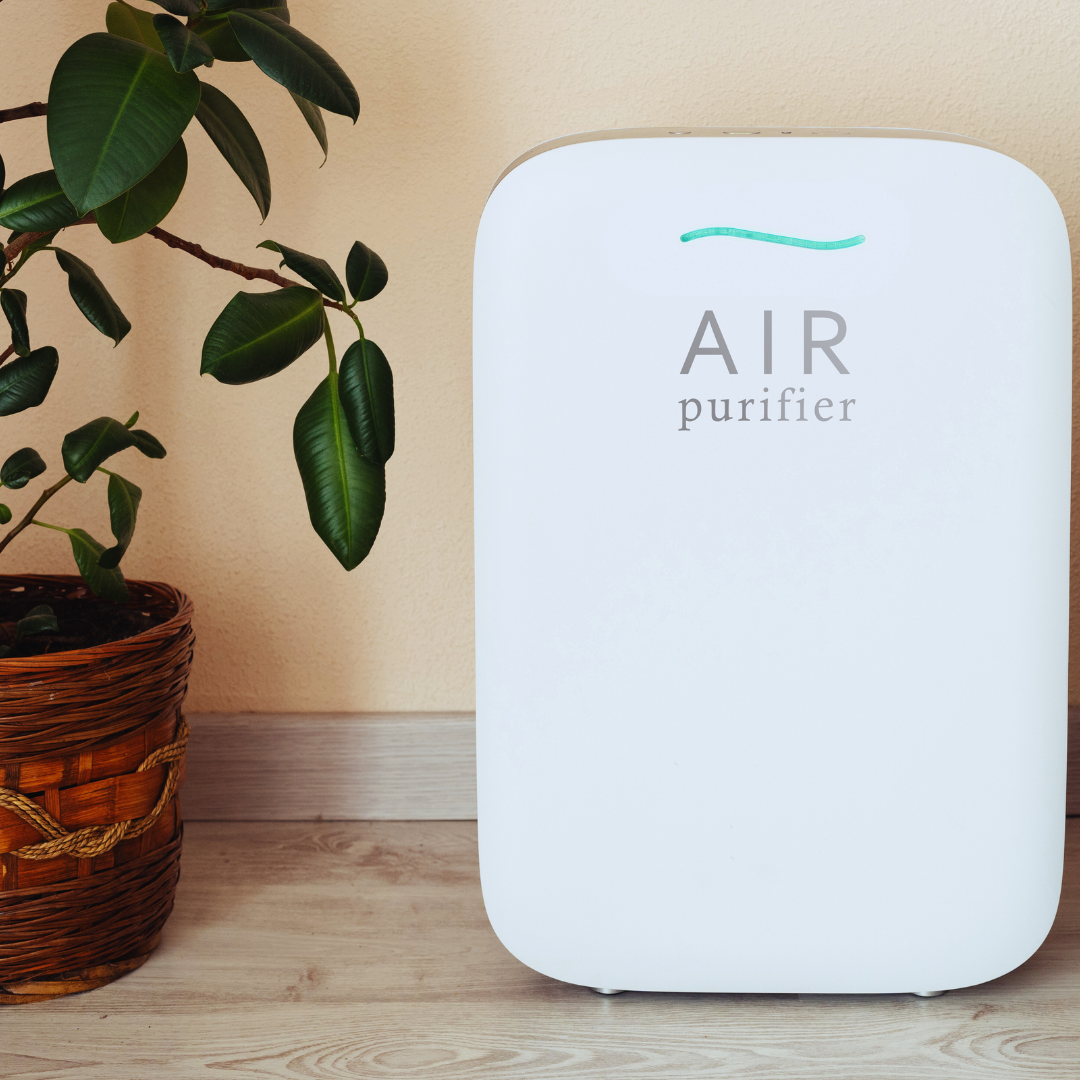
Indoor air quality can significantly impact health and comfort. DIY methods to enhance air quality in the home can involve simple and cost-effective strategies that anyone can implement. From houseplants to air purifying techniques, there are numerous ways to create a healthier living environment.
One effective approach is to incorporate specific plants known for their air-purifying abilities. Plants like spider plants and peace lilies not only add beauty but also help filter toxins from the air. Additionally, maintaining proper ventilation and regularly changing air filters can drastically improve indoor air quality.
Using natural air fresheners instead of chemical sprays can also contribute to a cleaner atmosphere. Essential oils and homemade sprays can eliminate odors while avoiding harmful substances. By taking these steps, anyone can take control of their indoor environment and ensure a more breathable space.
Fundamental DIY Steps to Improve Air Quality
Improving indoor air quality is essential for creating a healthy home environment. The following strategies provide practical ways to enhance air circulation, manage humidity, reduce allergens, and minimize indoor pollutants.
Proper Home Ventilation Strategies
Ventilation plays a critical role in air quality. Ideally, homes should have a balanced airflow to reduce indoor air pollution.
- Open Windows: Opening windows allows fresh air to circulate, pushing stale air outside. This can significantly reduce odors, smoke, and chemical vapors.
- Exhaust Fans: Installing exhaust fans in kitchens and bathrooms helps remove moisture and odors, preventing mold growth. Utilizing these fans during cooking or after showers is beneficial.
- Cross-Ventilation: Positioning furniture to allow airflow between windows creates a breezy environment. This strategy works best on days with mild weather.
Keeping Indoor Humidity in Balance
Maintaining proper humidity levels is crucial for air quality. Ideal indoor humidity should be between 30% and 50%.
- Dehumidifiers: Using a dehumidifier in areas prone to excess moisture, such as basements, can prevent mold growth.
- Humidity Monitor: Installing a hygrometer helps individuals monitor indoor humidity levels accurately.
- Houseplants: Certain indoor plants can help regulate humidity. Peace lilies and Boston ferns are effective at absorbing moisture and enhancing air quality.
Regular Cleaning to Minimize Dust and Allergens
Routine cleaning can significantly improve indoor air quality by reducing dust and allergens.
- Vacuuming with HEPA Filters: Regular vacuuming with HEPA filter-equipped vacuums traps small particles like dust mites, pet dander, and pollen.
- Dusting Surfaces: Using damp cloths to dust helps capture allergens rather than spreading them into the air.
- Wash Bedding Frequently: Washing bed linens and curtains in hot water can reduce dust mite populations. This simple task can help those with asthma or allergies.
Reducing Indoor Pollutants and Irritants
Minimizing indoor pollutants is essential for better air quality.
- Avoiding Tobacco Smoke: Banning smoking indoors protects residents from harmful smoke particles.
- Natural Cleaning Products: Opting for eco-friendly cleaning products reduces chemical exposure. Many commercial cleaners contain volatile organic compounds (VOCs) that can irritate the respiratory system.
- Careful Use of Air Conditioning: Regular maintenance of air conditioning systems can prevent the buildup of mold and bacteria. Cleaning or replacing filters is essential for optimizing air quality.
By implementing these steps, individuals can create a healthier indoor environment while ensuring cleaner air circulation.
Optimizing Indoor Air with Purification and Filtration
Improving indoor air quality involves strategic choices in air purification and filtration systems. Selecting the right devices and maintaining them properly can significantly enhance air cleanliness and overall health in the home.
Choosing and Maintaining Air Purifiers
When selecting an air purifier, first consider the size of the room it will serve. Portable purifiers work well for individual rooms, while larger units can cover more extensive spaces. Look for models with a HEPA filter, as they can capture 99.97% of airborne particles.
Regular maintenance is crucial. This includes cleaning and replacing filters as recommended by the manufacturer. A clogged filter reduces effectiveness and can worsen air quality.
Create a cleaning schedule to ensure that the air purifier operates at peak efficiency. Monthly assessments and timely filter changes will help maintain optimal performance.
HEPA and High-Efficiency Air Filters
HEPA filters are highly effective for trapping dust, pollen, and pet dander. For homeowners, these filters are essential for reducing allergens and improving air quality.
High-efficiency filters should have a Minimum Efficiency Reporting Value (MERV) rating between 8 and 13. Filters with higher MERV ratings capture smaller particles but may restrict airflow, so check compatibility with the HVAC system.
Regularly maintaining air filters is essential. Change these filters at least every 3 months, or more frequently if there are pets or heavy dust presence. Neglecting filter maintenance can lead to reduced airflow in the HVAC system, compromising overall performance.
Understanding Your HVAC System’s Role
The HVAC system plays a central role in managing indoor air quality. It circulates air throughout the home and can benefit from the integration of air purifiers and HEPA filters. Proper filtration enhances air quality by removing contaminants before air circulates.
Adjusting humidity levels is equally important. Dehumidifiers can reduce dampness, which helps prevent mold growth. Humidifiers add moisture in dry climates, ensuring air does not become overly dry, which can lead to respiratory discomfort.
Regular professional inspections can optimize HVAC performance. This maintenance ensures that the air circulation system is clean and efficient, facilitating better filtration and air purification throughout the home.
Natural Approaches: Houseplants and Eco-Friendly Solutions
Incorporating houseplants and eco-friendly solutions can significantly enhance indoor air quality. These natural methods not only improve aesthetics but also provide health benefits by filtering pollutants and increasing humidity.
Best Indoor Plants for Cleaner Air
Certain indoor plants effectively filter common pollutants. Snake plants and peace lilies are among the top choices.
- Snake Plant (Sansevieria): This hardy plant can absorb carbon monoxide and formaldehyde. It thrives in low light and requires minimal watering.
- Peace Lily (Spathiphyllum): Known for its beautiful white flowers, the peace lily excels at filtering out VOCs and ammonia. Its need for moderate light makes it suitable for various indoor environments.
Other recommended plants include:
- Spider Plant: Great for removing formaldehyde and xylene.
- Boston Fern: Effective against mold spores and vapors.
These plants can improve indoor air quality while being easy to care for.
Plant Care for Humidity and Mold Prevention
Maintaining the right humidity level is critical for reducing mold growth. Some plants contribute positively to indoor humidity.
- Placement: Keep plants in bright, indirect sunlight to avoid excessive moisture loss.
- Watering: Overwatering can lead to mold growth. It is crucial to check soil moisture before watering.
- Air Circulation: Ensure proper ventilation around plants. This helps prevent stagnant air, reducing the chances of mold.
Choosing the right plants and caring for them appropriately will aid in balancing humidity levels while enhancing air quality.
Limiting Volatile Organic Compounds (VOCs) Naturally
VOCs are harmful compounds emitted by various indoor materials such as paints and cleaning products. Houseplants can help mitigate these effects.
- Active Filtering: Plants like snake plants and peace lilies absorb VOCs, including benzene and formaldehyde.
- Natural Absorption: Increasing indoor air circulation through open windows can help dilute and disperse indoor pollutants.
- Air-Purifying Solutions: Companion planting with herbs such as basil and mint can also mitigate VOC levels.
Integrating these plants into living spaces can lead to a healthier breathing environment while reducing reliance on chemical air fresheners.
Monitoring, Prevention, and Advanced Improvement Tips
To maintain optimal air quality, regular monitoring and preventive measures are essential. Identifying hidden dangers, utilizing DIY testing methods, and establishing a consistent maintenance routine can significantly enhance indoor air conditions.
Detecting Hidden Dangers: Carbon Monoxide and Smoke
Carbon monoxide (CO) and smoke are serious indoor air pollutants. CO is colorless and odorless, making detection difficult without proper tools. A CO detector should be installed in key areas of the home, especially near sleeping quarters.
Smoke can be generated from cooking, heating, or tobacco use. Using a smoke detector is vital for early warning. Installing interconnected smoke alarms ensures that if one detects smoke, all alarms sound, providing crucial alerts across the home. Regularly test these alarms and replace batteries as needed.
DIY Air Quality Testing and Meters
Air quality testing can reveal levels of pollutants like CO and volatile organic compounds (VOCs). DIY test kits are available at hardware stores. These kits typically contain easy-to-follow instructions for assessing air quality effectively.
Portable air quality meters can measure particulate matter, humidity, and temperature. These devices often feature digital displays that provide real-time feedback. Homeowners can adjust their ventilation strategies based on data collected. Using these tools enables individuals to proactively manage their indoor environments.
Routine Upkeep for Long-Term Results
Maintaining clean air requires consistent upkeep. Regularly replacing HVAC filters helps trap dust, allergens, and pollutants. Homeowners should check and replace these filters every 1-3 months, depending on usage.
Additionally, routine cleaning of surfaces and carpets can prevent dust buildup. Utilizing natural cleaning products can reduce chemical exposure. Regular ventilation, such as opening windows or using exhaust fans, helps bring in fresh air and expel stale air.
Establishing a maintenance schedule ensures that air quality remains a priority. This proactive approach leads to healthier living spaces.
Leave a Reply