

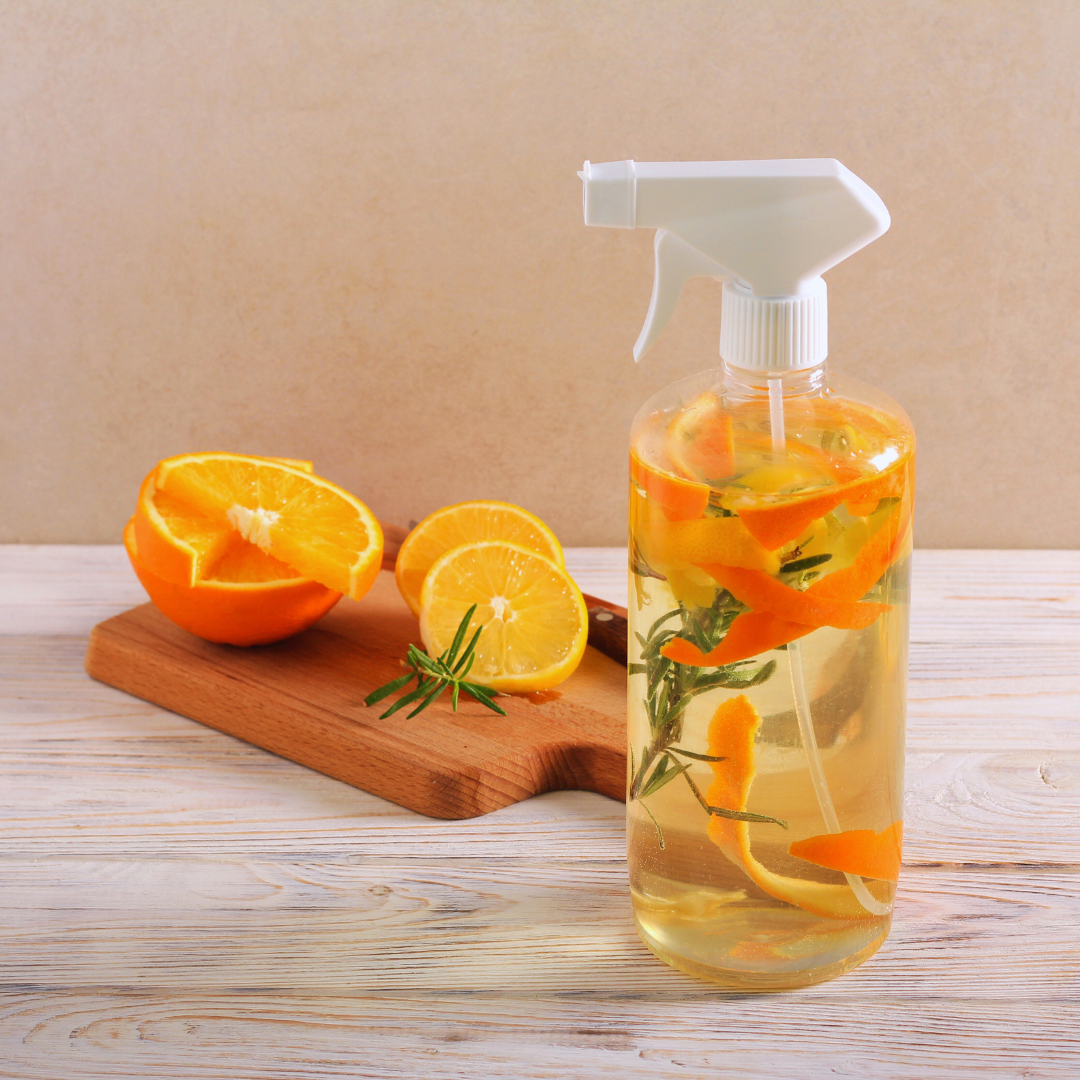
Creating a fresh and inviting home environment doesn’t require expensive products filled with harsh chemicals. Many individuals are turning to homemade cleaners as a sustainable and effective alternative. With the right combinations of natural ingredients, anyone can make DIY cleaners that not only clean effectively but also leave a lovely scent that enhances the atmosphere of any space.
Utilizing ingredients like vinegar, baking soda, and essential oils, it is possible to craft cleaners that smell amazing while being safe for the family and the environment. From all-purpose sprays to floor cleaners, these recipes are simple and can be tailored to fit personal preferences. Each homemade cleaner provides a unique fragrance profile that can transform mundane cleaning tasks into enjoyable rituals.
By following a few straightforward guidelines, anyone can explore the world of homemade cleaners and discover how easy it is to create pleasant-smelling solutions for everyday cleaning challenges. Transitioning to DIY cleaners not only promotes sustainability but also brings an added sensory experience to the home.
Why Homemade Cleaners Smell Better Than Store-Bought Options
Homemade cleaners offer a refreshing alternative to store-bought options. They can provide a pleasant aroma, free from synthetic fragrances and harmful chemicals. Key factors include the specific fragrances used in commercial products, the control over ingredients, and various health and environmental advantages.
Common Fragrances in Store-Bought Cleaners
Store-bought cleaners often contain synthetic fragrances, which can mask unpleasant odors but lack true scent quality. These fragrances may include a mix of several chemical compounds designed to create a lasting scent. Commonly used ingredients may trigger allergies and sensitivities in some individuals.
Natural alternatives like essential oils offer richer and more complex aromas. For example, lemon and lavender are popular choices for their fresh and calming qualities. Unlike synthetic scents, essential oils provide added benefits, such as antibacterial properties and a natural basis for cleaning effectiveness.
Control Over Ingredients and Scents
Making homemade cleaners allows for complete control over the ingredients and the scents used. This customization means individuals can select their favorite fragrances or even blend different oils to create a unique scent.
For instance, a combination of tea tree and eucalyptus essential oils can provide both a pleasant aroma and natural disinfecting properties. In contrast, store-bought options blend a vast array of chemicals for scent, many of which may not be suitable for sensitive environments.
Health and Environmental Advantages
Homemade cleaners typically have fewer harmful ingredients, reducing risks associated with allergens or toxins. They often feature biodegradable components, which are better for the environment than many store-bought formulas.
Many commercial cleaners contribute to indoor air pollution due to volatile organic compounds (VOCs). Homemade cleaners with natural ingredients minimize this concern, making them a healthier choice for living spaces. Utilizing eco-friendly cleaning methods provides a sustainable way to maintain cleanliness without compromising air quality or health.
Essential Ingredients for Homemade Cleaners That Smell Amazing
Creating effective homemade cleaners that also smell great requires a thoughtful selection of ingredients. The right combination can enhance cleaning power while leaving a pleasant aroma in your space.
Choosing the Right Vinegar for Scent
Vinegar serves as a versatile base for many homemade cleaners. Distilled white vinegar is particularly effective due to its strong acidity and neutral scent. It can be used to cut through grease and grime.
For a more aromatic touch, consider apple cider vinegar. Its fruity scent can mask the sharpness of regular vinegar, making it ideal for kitchens or bathrooms. Mixing vinegar with herbs or citrus peels can also enhance its fragrance.
Using vinegar in combination with essential oils can yield a cleaner that not only disinfects but also leaves behind a refreshing scent.
Power of Essential Oils for Fragrance
Essential oils are crucial for adding pleasant scents to homemade cleaners. Each oil brings its unique aroma and properties. For example, lavender essential oil is known for its calming scent and antibacterial qualities.
On the other hand, peppermint essential oil offers a refreshing, invigorating fragrance, perfect for removing odors. A blend of these oils can create a delightful scent profile.
When using essential oils, a typical guideline is to add 15-30 drops per cup of cleaner. This ensures an enjoyable fragrance while maintaining the effectiveness of the cleaner.
Safe Mixing of Cleaning Agents
When crafting homemade cleaners, safety should be a priority. Some ingredients can create harmful reactions. For instance, mixing vinegar with hydrogen peroxide can produce a powerful disinfectant, but it should never be mixed with ammonia, as this creates toxic fumes.
To prepare safe and effective cleaners, castile soap is a great choice. It blends well with essential oils and vinegar for a natural cleaner. Baking soda is another useful ingredient that can help with scrubbing and deodorizing surfaces.
When experimenting with mixes, always test a small area first to ensure surfaces are compatible with the chosen ingredients. Keeping a clean and safe environment is essential in any cleaning routine.
Popular Homemade Cleaner Recipes for Every Room
Creating effective homemade cleaners can transform the scent and cleanliness of any room. Below are popular recipes tailored for various spaces, ensuring delightful aromas and effective cleaning.
All-Purpose Cleaner for Fresh Surfaces
An all-purpose cleaner is versatile, effective on multiple surfaces, and easy to make. Combine 1 cup of water, 1 cup of white vinegar, and 10-15 drops of essential oil such as lavender or peppermint for a fresh scent.
Instructions:
- Mix the ingredients in a spray bottle.
- Shake gently to combine.
- Spray on surfaces like countertops and tables, wiping away with a clean cloth.
This solution not only disinfects but leaves a pleasant aroma, making cleaning a more enjoyable task.
Glass Cleaner With Calming Scents
Keeping windows and mirrors spotless can be effortless with a homemade glass cleaner. Mix 2 cups of water, 1 cup of white vinegar, and 10 drops of essential oil like lavender for a calming scent.
Instructions:
- Pour all ingredients into a spray bottle.
- Shake well before use.
- Spray onto glass surfaces and wipe with a microfiber cloth for a streak-free finish.
This formula provides both clarity and a soothing fragrance, enhancing the cleaning experience.
Scented Bathroom and Toilet Bowl Cleaners
Bathrooms require specific attention to cleanliness. For toilet bowls, combine 1 cup of baking soda, 1 cup of white vinegar, and 10 drops of essential oil such as peppermint for a fresh scent.
Instructions:
- Pour the baking soda into the toilet bowl.
- Follow with vinegar and essential oil.
- Let it sit for 10 minutes before scrubbing with a toilet brush.
For surfaces, a diluted version of the all-purpose cleaner can be used. This method ensures an inviting scent while effectively cleaning.
Floor Cleaners With Lasting Fragrance
Floors can benefit significantly from homemade cleaners that not only clean but also add fragrance. Combine 1 gallon of warm water with 1 cup of white vinegar and 10 drops of lavender essential oil.
Instructions:
- Mix all ingredients in a bucket.
- Use a mop to clean the floors, concentrating on high-traffic areas.
- Allow the floors to air dry.
The resulting scent will linger, promoting a fresh environment throughout the home while ensuring floors are clean and safe.
Tips for Customizing, Storing, and Using Homemade Cleaners Safely
Customizing homemade cleaners enhances their appeal, while safe storage and proper handling ensure health and safety. Awareness of hazardous ingredient combinations is crucial for effective cleaning without risks.
Personalizing Scents With Essential Oils
Essential oils offer an opportunity to tailor the scent of homemade cleaners. Popular choices like lavender, lemon, and tea tree not only add fragrance but also provide additional antibacterial properties.
To create a blend, start with a base, such as castile soap or vinegar, and add 15-30 drops of essential oil per cup of cleaner. Mixing different oils can create unique fragrances. For example, combining eucalyptus with peppermint can produce a refreshing scent.
Always perform a patch test on surfaces to avoid adverse reactions. Additionally, keep essential oils out of reach of children and pets to prevent accidental ingestion.
Safe Storage and Proper Handling
Storing homemade cleaners safely is essential for health. Use clearly labeled glass or plastic containers to avoid confusion. Dark glass bottles protect essential oils from light degradation.
Store cleaners in a cool, dry place away from direct sunlight and heat sources. Avoid using containers that previously held toxic chemicals to prevent contamination.
When using cleaners, wear gloves and ensure good ventilation. This minimizes skin irritation and inhalation of strong scents. Keep cleaners labeled and out of reach of children to prevent accidents.
Avoiding Hazardous Ingredient Combinations
Certain ingredients can produce harmful reactions when mixed. For example, combining vinegar and ammonia creates toxic chloramine vapors. It’s essential to keep these and other hazardous combinations separate.
Do not mix hydrogen peroxide with vinegar; this also creates harmful byproducts. Instead, use them in separate applications to enhance cleaning effectiveness.
Always read labels and research ingredients before combining. Eco-friendly cleaning ingredients like washing soda and baking soda are safer alternatives. This consideration ultimately leads to safer and more effective cleaning solutions.
Leave a Reply