

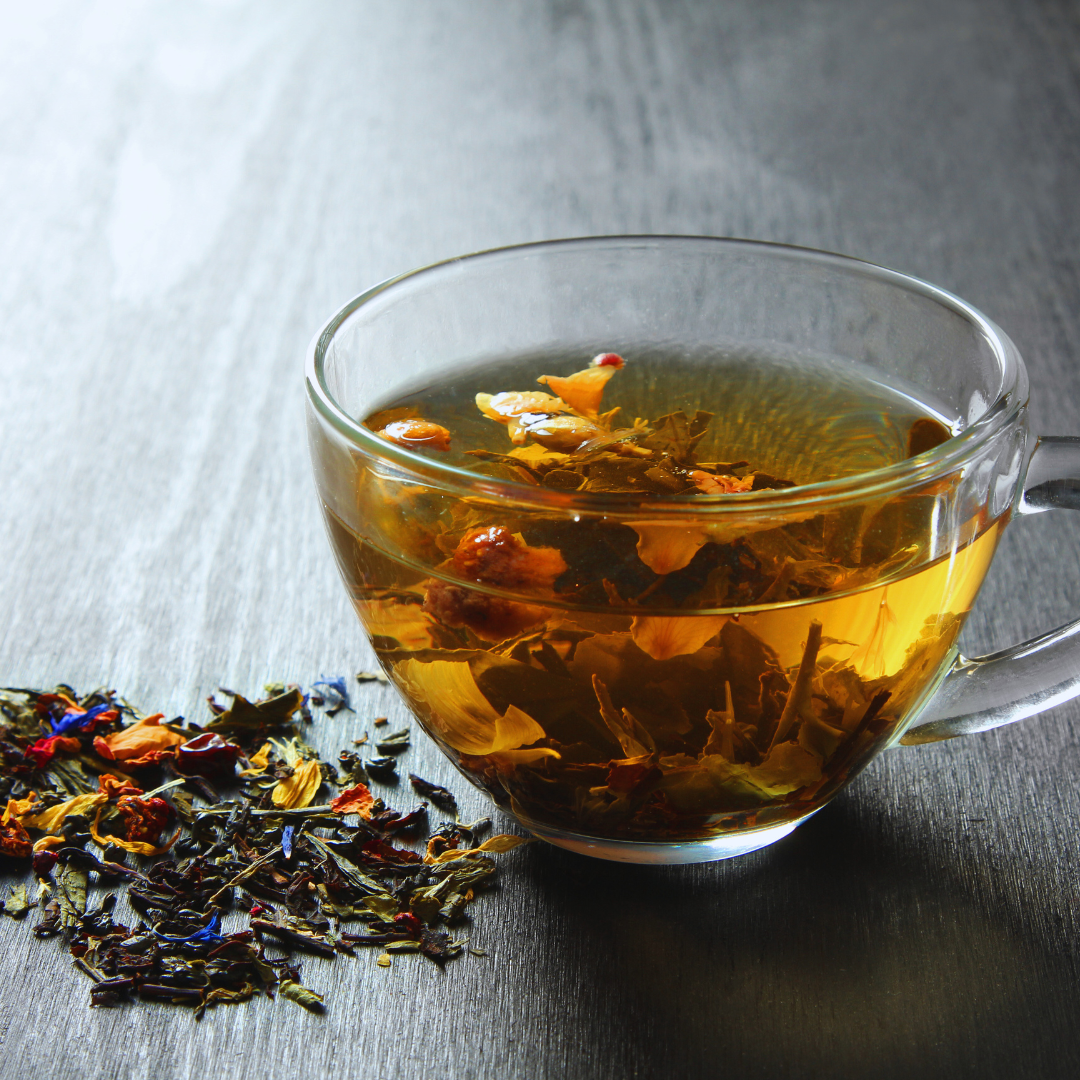
Making herbal teas at home offers a simple way to enjoy the benefits of various herbs while also exploring new flavors. To create your own herbal teas, one only needs a few basic ingredients such as dried herbs, boiling water, and optional sweeteners or spices for customization. This approach not only personalizes the tea experience but also allows for the incorporation of different health benefits linked to specific herbs.
Herbal teas can be crafted from a variety of plants, including chamomile for relaxation, peppermint for digestion, and ginger for its warming qualities. The process often involves steeping the herbs in hot water to extract essential oils and flavors, making it an accessible practice for anyone interested in home brewing. With a bit of creativity, even novice tea makers can experiment with combinations to discover unique blends that suit their tastes.
Exploring homemade herbal teas can lead to a greater appreciation of the natural ingredients at one’s disposal. Whether for personal enjoyment or as a thoughtful gift, the art of brewing herbal teas opens up a world of flavor and wellness right in the comfort of home.
Essential Herbs for Homemade Herbal Teas
Making your own herbal teas at home can be a rewarding experience. Selecting the right herbs is crucial for achieving flavorful and aromatic blends. This section covers popular herb choices, whether to use fresh or dried herbs, and specialty herbs that offer unique flavor profiles.
Popular Herbs for Tea Blending
Some of the most favored herbs for tea include chamomile, peppermint, and ginger. Chamomile is known for its calming effects and pleasant floral scent, making it a staple in herbal tea blends. Peppermint adds a refreshing zing and can soothe digestive issues.
Mint varieties, such as spearmint and peppermint, work beautifully in many teas. Ginger, with its warming qualities, complements blends and adds a spicy kick. Other popular choices include lemon balm for its citrusy notes, lavender for relaxation, and sage for its earthy flavor.
Choosing Between Fresh and Dried Herbs
When deciding between fresh and dried herbs, consider the flavor strength and availability. Fresh herbs tend to have a brighter, more potent flavor. For example, fresh lemongrass can enhance a tea’s aroma significantly.
Dried herbs are convenient and have a longer shelf life, but they may require slightly larger quantities to achieve the same flavor intensity. Organic herbs are often preferred for their quality and purity. For those who enjoy experimenting, blending both fresh and dried herbs can yield interesting results and enhance complexity.
Specialty Herbs for Unique Flavors
In addition to common herbs, specialty herbs can elevate herbal tea blends. Passionflower is known for promoting relaxation and can be combined with other calming herbs. Elderberries and rose hips add fruity notes, enriching the tea’s flavor and adding health benefits.
Fennel seeds offer a hint of sweetness, ideal for desserts or relaxing beverages. Tulsi and thyme bring herbal depth and are celebrated for their wellness properties. Calendula adds vibrant color and floral notes, making it visually appealing and tasty. Exploring these specialty herbs can lead to delicious and unique tea experiences.
Gathering, Drying, and Storing Your Herbs
Proper techniques for gathering, drying, and storing herbs ensure optimal flavor and potency. This section covers essential steps to successfully harvest and preserve herbs for homemade teas.
Growing and Harvesting Herbal Plants
Growing herbal plants at home can be rewarding. These plants thrive in well-drained soil with plenty of sunlight. Popular choices include mint, chamomile, and lemon balm.
They can be grown in garden beds or containers. When harvesting, shears should be used to cut stems just above a leaf node, promoting growth.
Harvesting in the morning ensures that the essential oils are at their peak. After checking for pests, only healthy, organic herbs should be picked for drying.
Proper Drying Techniques for Herbs
Drying herbs correctly is crucial for preserving their flavors. One common method is air drying. This involves bundling stems and hanging them upside down in a well-ventilated area away from direct sunlight.
Another option is using a dehydrator, which allows for faster drying at controlled temperatures.
Oven drying can also be effective, but requires careful monitoring to prevent burning. Herbs are ready when they feel crisp, yet vibrant in color. It’s important to avoid using fresh herbs that show signs of moisture.
Optimal Storage for Freshness and Flavor
Once herbs are dried, proper storage is key. They should be placed in airtight containers, such as glass jars, to protect against moisture and light.
Labeling containers with the herb name and date of drying helps track freshness.
For optimal flavor retention, keeping them in a cool, dark location is recommended. Regularly check for any signs of moisture or pests. To extend shelf life, consider using silica gel packets in storage containers to absorb moisture.
Equipment and Tools Needed for Herbal Tea Making
A variety of tools and equipment enhance the herbal tea-making experience. Understanding these essential items ensures a well-prepared and enjoyable outcome.
Tea Infusers and Strainers
Tea infusers are vital for brewing loose-leaf herbal teas. They come in different forms, such as tea balls, mesh bags, or baskets. The choice depends on personal preference and the type of herbs being used.
Strainers provide an additional layer of filtration. Once the tea has brewed, a strainer catches any leftover herb particles. This results in a smoother sip. Common types include fine mesh strainers and dedicated tea strainers.
Using both infusers and strainers ensures clarity in the final brew. This equipment allows for maximum flavor extraction from the herbs while keeping the drink free from sediment.
Teapots and Brewing Vessels
A dedicated teapot is often suited for brewing larger quantities of herbal teas. Many are made from materials like ceramic or glass, which can withstand heat well. Selecting a teapot with a built-in infuser can simplify the brewing process.
Brewing vessels vary widely. Options such as French presses or simple heatproof mugs work effectively, too. The size of the vessel should match the desired amount of tea.
Using an appropriate pot or vessel impacts the extraction process significantly. A suitable choice can enhance flavor and aroma, leading to a more satisfying brew.
Additional Helpful Tools
Some additional tools can improve herbal tea preparation. A mortar and pestle is useful for crushing dried herbs, releasing essential oils, and enhancing flavor. This step can significantly change the profile of the tea.
Thermometers are beneficial for achieving the right steeping temperature. Different herbs may require various temperature settings for optimal extraction.
An electric kettle can also be beneficial. It allows for quick boiling and precise temperature control. This results in a more consistent brewing outcome.
These tools complement the main equipment, adding value to the tea-making experience. They contribute to flavor and efficiency, leading to a more enjoyable final product.
Blending, Brewing, and Serving Herbal Teas at Home
Creating herbal teas at home involves careful blending, appropriate brewing methods, and thoughtful serving techniques. Understanding these steps will enhance the experience of enjoying herbal teas.
Basic Techniques for Blending Herbal Teas
Blending herbal teas requires an understanding of flavor profiles. One can combine fresh herbs like mint or basil with dried herbs such as chamomile or hibiscus.
When blending, consider the ratio of herbs. A common starting point is 1 part bold-flavored herb to 2 parts more subtle herbs.
For example, a mix of peppermint (1 part) and lavender (2 parts) can create a balanced infusion. Experimentation is key.
Using a mortar and pestle can help release essential oils in fresh herbs, enhancing the flavor. It’s also helpful to grind dried herbs slightly to improve extraction during brewing.
Infusion and Decoction Methods
Infusion is the primary method for preparing delicate herbs. It involves steeping herbs in hot water.
For infusion:
- Boil water and let it cool slightly.
- Add 1-2 teaspoons of loose herbs per cup.
- Steep for 5-10 minutes based on taste preference.
Some woody or root herbs require decoction. This method extracts deeper flavors by simmering herbs in water for longer.
For decoction:
- Use 1-2 tablespoons of dried herbs per cup of water.
- Simmer for 20-30 minutes.
- Strain before serving.
This process works well for ginger or licorice root.
Sweetening and Customizing Your Tea
Sweetening herbal tea can enhance its flavor profile. Common options include honey, stevia, or agave nectar.
One simple method is to add honey while the tea is still warm. This allows the honey to dissolve fully, providing smooth sweetness.
To customize further, consider adding slices of citrus or spices such as cinnamon. Fresh herbs like mint can also add complexity.
When serving, using pre-heated cups helps maintain temperature. Garnishing with a sprig of fresh herb or a lemon slice not only enhances appearance but also adds to the aroma, making the tea more inviting.
Leave a Reply