

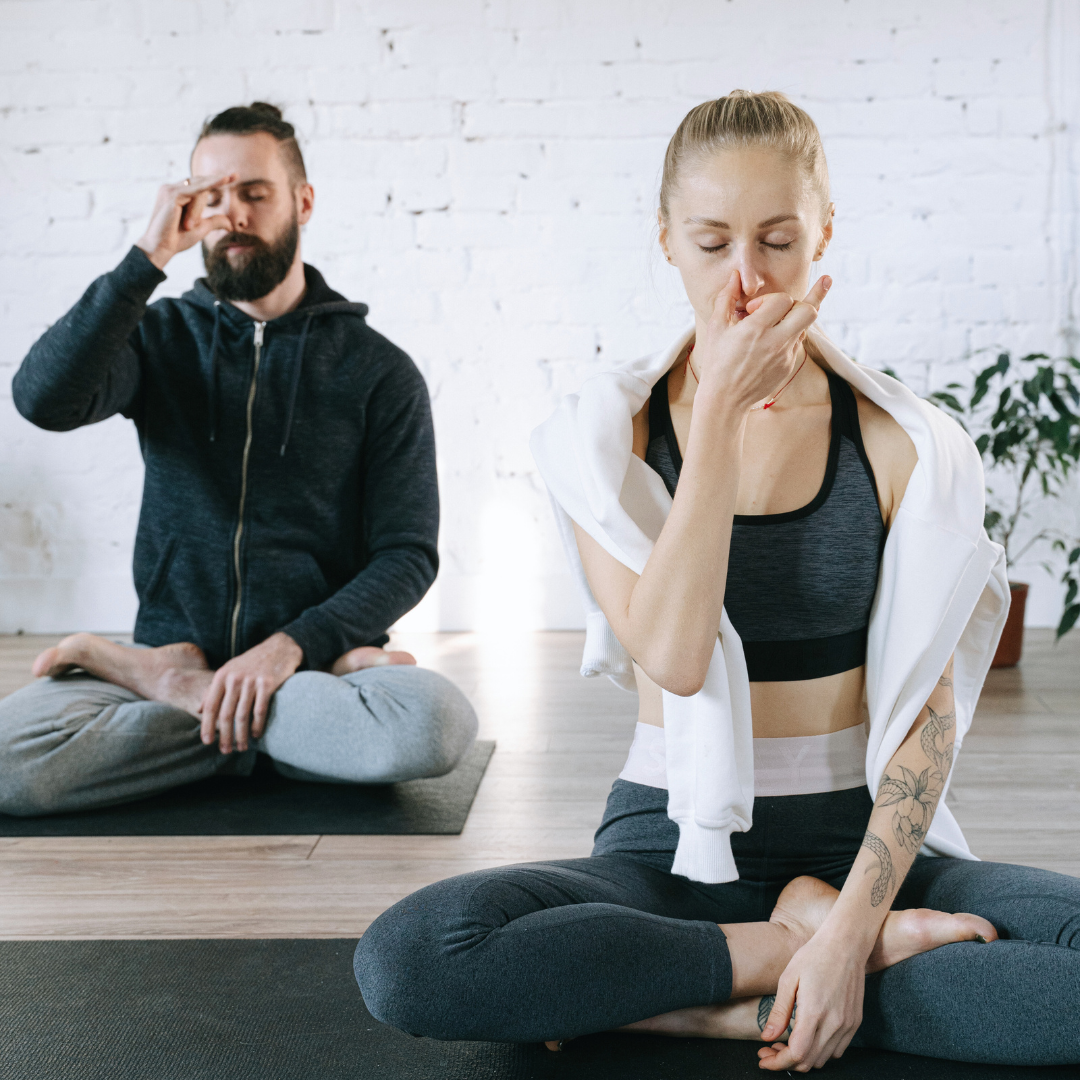
Mindfulness is a powerful tool that enhances awareness and promotes well-being. Many people seek simple ways to incorporate mindfulness practices into their daily routines. This article presents 10 easy mindfulness exercises that can be seamlessly integrated into everyday life to encourage living in the present moment.
By engaging in these exercises, individuals can cultivate a greater sense of calm and clarity. Each practice is designed to be accessible, allowing anyone to benefit from mindfulness regardless of experience level. The following techniques will empower readers to enhance their mindfulness practice, fostering a deeper connection with their thoughts and surroundings.
Understanding Mindfulness
Mindfulness involves being present in the moment and fully engaging with one’s thoughts and feelings without judgment. It encompasses techniques such as meditation and various exercises that promote relaxation, emotional balance, and mental clarity.
The Basics of Mindfulness
Mindfulness is rooted in ancient meditation practices, emphasizing non-judgmental awareness. Individuals practice mindfulness by focusing on their breath, thoughts, and bodily sensations.
Key aspects include:
- Presence: Staying fully engaged in the current moment.
- Acceptance: Acknowledging thoughts and feelings without criticism.
- Non-judgment: Observing experiences without labeling them as good or bad.
These elements help create a foundation for mindfulness exercises, leading to greater emotional resilience and a deeper sense of well-being. Through consistent practice, individuals can enhance their empathy and self-compassion, fostering a more harmonious relationship with themselves and others.
Benefits of Mindfulness
The benefits of mindfulness are extensive and well-documented. Practicing mindfulness techniques can lead to significant reductions in stress and anxiety levels. Regular mindfulness meditation promotes relaxation, which in turn supports mental clarity.
Benefits include:
- Emotional Balance: Mindfulness helps individuals regulate their emotions more effectively.
- Mental Clarity: It enhances focus and concentration, reducing distractions.
- Well-Being: Mindfulness practices contribute to an overall sense of peace and contentment in daily life.
Many practitioners report improved relationships due to increased compassion and empathy, aiding social connections. Mindfulness-based stress reduction programs are particularly effective for those facing chronic stress, providing valuable tools for managing life’s challenges.
Mindfulness Exercises for Daily Life
Incorporating mindfulness into daily life can enhance focus and reduce stress. The following exercises allow individuals to engage their senses and maintain a present-focused mindset throughout their routines.
Breathing Techniques
Mindful breathing is essential for grounding oneself in the present moment. One effective method is box breathing, which involves inhaling for four counts, holding for four counts, exhaling for four counts, and pausing for four counts. This technique can calm the nervous system and promote relaxation.
Additionally, practicing mindful breathing during daily activities, such as while waiting in line or sitting at a desk, can train the mind to focus. Individuals are encouraged to notice the sensations of each breath, feeling the rise and fall of the chest and abdomen.
Using guided meditations focused on breathing can also deepen the experience. These resources can help instill a data-driven approach to daily mindfulness practices.
Mindful Movement Practices
Mindful walking transforms a routine task into an intentional practice. Individuals can pay attention to each step, noticing the sensations of their feet touching the ground. They might focus on the rhythm of their breath as they walk, linking it to their movements.
Walking meditation can be practiced outdoors or indoors. Setting aside a few minutes to walk slowly and deliberately enhances awareness of the surroundings and encourages connection with nature. Participants may observe the sights, sounds, and smells around them as they move.
Incorporating mindful movement, such as stretching or yoga, can also be beneficial. These activities foster body awareness and help individuals tune into their physical sensations.
Sensory Awareness Activities
Mindful eating is a powerful way to practice sensory awareness. Taking time to savor each bite, noticing the flavors and textures of food, helps individuals develop a deeper connection with their meals. Eating without distractions allows for a fuller experience.
Other sensory awareness activities include body scan meditation. This practice involves lying down and mentally checking in with each part of the body, recognizing sensations and areas of tension.
Individuals might also engage in activities like listening to music mindfully. Paying attention to instruments and lyrics can enhance the experience and foster a greater appreciation for sound. Engaging the senses through these practices can effectively create a mindful lifestyle.
Integrating Mindfulness into Your Life
Mindfulness can be woven into various aspects of daily life, enhancing well-being and promoting present-moment awareness. By focusing on key areas such as sleep, home environment, and workplace practices, individuals can cultivate a more mindful lifestyle.
Mindfulness in Relationship to Sleep
Sleep is essential for physical and mental health. Mindfulness can improve the quality of sleep by promoting a sense of calm before bedtime. Practicing gratitude or journaling about the day’s accomplishments can help clear the mind.
Progressive muscle relaxation is another effective technique. It encourages releasing tension in the body, making it easier to fall asleep. Setting a consistent sleep schedule while incorporating mindful breathing exercises can establish a beneficial nightly routine.
Creating a Mindful Environment at Home
A mindful home environment enhances relaxation and self-awareness. Decluttering spaces facilitates focus and reduces distractions. Adding elements like soft lighting, calming scents, and natural materials fosters tranquility.
Incorporating mindfulness practices, such as daily gratitude lists or affirmations, encourages a positive atmosphere. Creating designated areas for mindfulness activities, like meditation or yoga, reinforces the importance of these practices in daily life and promotes overall well-being.
Workplace Mindfulness
Integrating mindfulness into the workplace can boost focus and reduce stress. Simple techniques, like mindful breathing or short pauses for reflection, can enhance concentration throughout the day. Utilizing apps such as Insight Timer can provide guided exercises during breaks.
Cultivating a culture of mindfulness among colleagues promotes collaboration and improves relationships. Encouraging gratitude practices within the team fosters a supportive environment and elevates morale, contributing to a more productive workplace.
Leave a Reply