

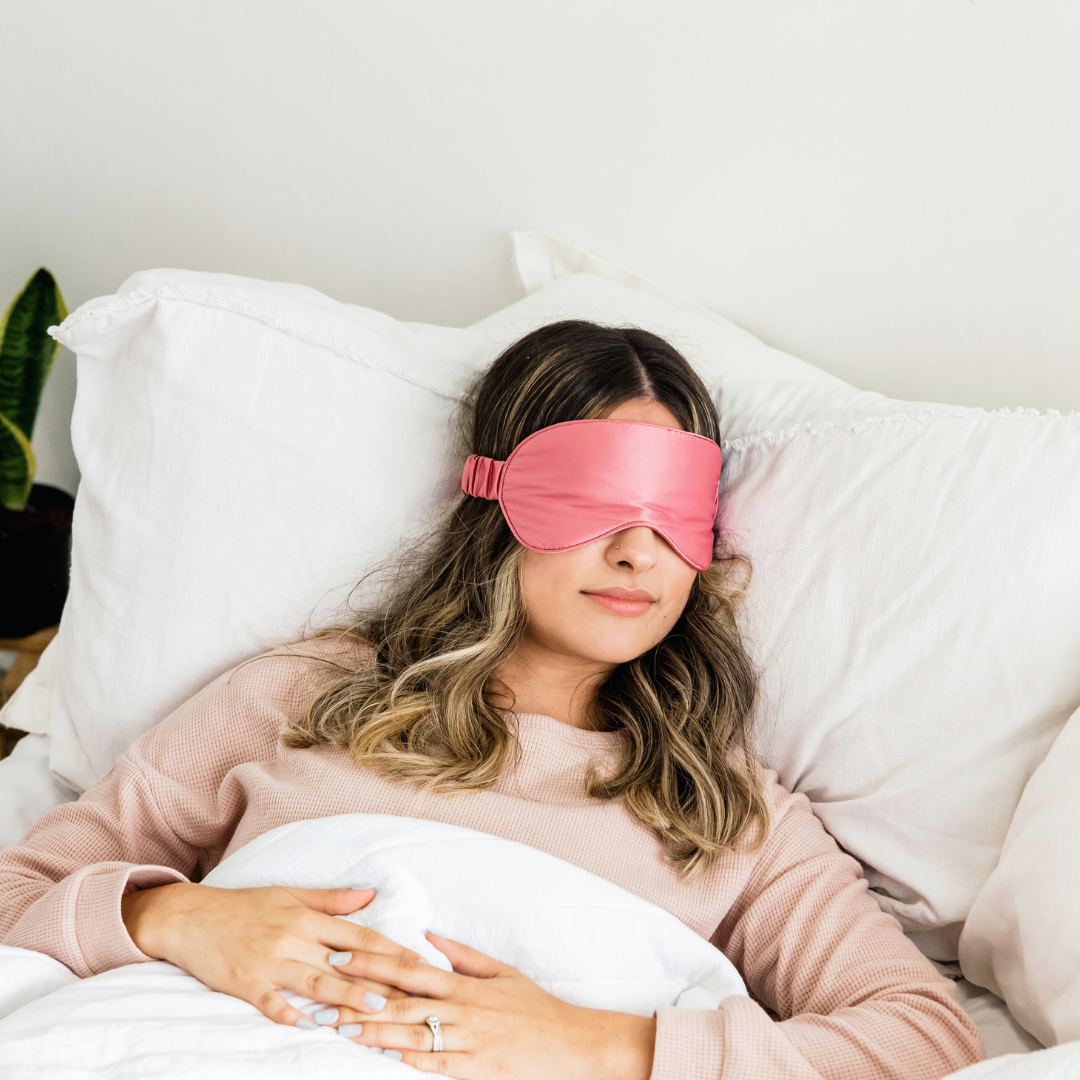
Many individuals struggle with sleep disorders such as insomnia, which can lead to a decline in health and overall well-being. Natural sleep aids offer effective remedies to improve sleep quality without the side effects commonly associated with pharmaceutical options. These alternatives can help restore balance and promote relaxation, making them a valuable consideration for those seeking better rest.
Exploring various natural remedies, such as herbal supplements, lifestyle changes, and mindfulness practices, can provide insights into enhancing sleep. By incorporating these strategies, individuals may find relief from disrupted sleep patterns and a path to more restorative nights.
Understanding the benefits of natural sleep aids can empower those struggling with sleep issues, offering a manageable approach to achieving restful slumber.
Understanding Sleep and Its Importance
Sleep is vital for maintaining physical and mental health. It plays a crucial role in various bodily functions, including mood regulation, memory processing, and overall well-being. A clear understanding of sleep mechanisms and disorders can help individuals appreciate its significance in their daily lives.
The Science of Sleep
The sleep cycle consists of several stages, including REM (Rapid Eye Movement) and non-REM sleep. Each stage plays a specific role in rejuvenating the body and mind. During deep sleep, blood pressure drops, heart rates stabilize, and the body repairs tissues.
Circadian rhythms, the body’s internal clock, regulate these sleep cycles and influence the timing of sleep. Disruptions in circadian rhythms can lead to difficulties falling asleep and waking. Understanding these factors can enhance sleep efficiency and duration.
Common Sleep Disorders and Issues
Common sleep disorders include insomnia, sleep apnea, and narcolepsy. Insomnia is characterized by difficulty falling or staying asleep, often linked to anxiety or depression. Sleep apnea involves breathing interruptions, which can result in fragmented sleep and excessive daytime fatigue.
Narcolepsy leads to uncontrollable sleep episodes throughout the day. Recognizing these disorders allows for targeted approaches to improve sleep quality and address underlying issues, contributing to better overall health.
Effects of Poor Sleep on Health
Poor sleep can have significant health repercussions. Insufficient sleep is associated with increased risks of heart disease, high blood pressure, obesity, and type 2 diabetes.
Sleep deprivation affects cognitive functions, such as memory and concentration, leading to decreased productivity. It can also impact mood, leading to symptoms of anxiety and depression. Prioritizing adequate sleep is crucial to mitigate these health risks and enhance overall quality of life.

Natural Substances and Practices for Better Sleep
A variety of natural substances and techniques can help enhance sleep quality. This section explores herbal remedies, dietary considerations, and relaxation practices, all of which are vital for promoting restful sleep.
Herbal Remedies and Supplements
Several herbal remedies are known for their calming effects. Valerian root is often used to reduce insomnia and improve sleep quality. Chamomile is popular for its mild sedative properties, usually consumed as herbal tea. Passionflower offers anxiolytic benefits, aiding in relaxation.
Lavender essential oil is frequently used in aromatherapy to improve sleep onset. It can be applied topically or diffused in the bedroom. Melatonin supplements help regulate the sleep-wake cycle, especially for those with irregular sleep patterns.
Other herbal options include kava for anxiety relief and CBD products for their calming effects without THC’s psychoactive properties. GABA and 5-HTP can boost serotonin levels, supporting a more restful night.
Many people find the earthy taste of traditional herbal preparations difficult to tolerate. Portable options like a noble kava candy are a simple alternative for daily use. These small treats are easy to carry in a bag or pocket during a busy day. They allow individuals to manage daily stress and find quiet moments of relaxation without any preparation. This method of consumption is a popular choice for those who want a quick way to calm their minds.
Diet and Nutrition for Sleep Enhancement
Nutrition plays a significant role in sleep quality. Incorporating magnesium-rich foods such as leafy greens, nuts, and seeds may help relax muscles and improve overall sleep. Magnesium supplements can also be beneficial, especially for those with a deficiency.
Tart cherry juice is rich in melatonin, making it an excellent addition for those looking to improve sleep duration. Foods high in tryptophan, including turkey and dairy, promote serotonin production, aiding in sleep onset. For those who require more guidance on managing health concerns that may influence sleep, such as weight balance, minor infections, or medication support, services like iDoses can provide access to professional consultation and appropriate treatment options from home.
Avoiding large meals, particularly those high in caffeine or sugar, before bedtime is critical. Consuming herbal teas like chamomile or valerian root can promote relaxation in the evening.
Relaxation Techniques and Environmental Factors
Effective relaxation techniques can significantly improve sleep quality. Meditation and deep breathing exercises help manage stress, which often disrupts sleep patterns. Yoga and Tai Chi incorporate physical movement with mindfulness, promoting relaxation and reducing insomnia symptoms.
Creating a conducive sleep environment is equally important. Light exposure should be minimized during the night and optimized during the day to regulate circadian rhythms. Reducing noise and maintaining a comfortable temperature enhances sleep.
Incorporating lavender aromatherapy into bedtime routines can further promote relaxation. Simple changes, like limiting screen time before bed, can also significantly improve sleep quality.
Lifestyle Modifications and Sleep Hygiene
Implementing specific lifestyle modifications can significantly enhance sleep quality. Focusing on consistent habits and environmental factors helps individuals achieve better rest and address sleep disturbances.
Developing Healthy Sleeping Habits
Establishing a regular sleep routine is crucial. Individuals should aim to go to bed and wake up at the same time every day, even on weekends. This consistency reinforces the body’s internal clock.
Creating a pre-sleep ritual, such as reading or meditative practices, signals the body to prepare for rest. Minimizing screen time at least an hour before bedtime is essential since blue light can interfere with melatonin production.
Additionally, limiting caffeine and heavy meals close to bedtime improves sleep chances. Frequent awakenings can often be linked to poor sleep hygiene, making these modifications vital for rest.
Influence of Physical Activity and Exercise
Regular exercise can be a powerful tool in promoting better sleep. Engaging in physical activity helps lower core body temperature and stimulates the brain to produce sleep-enhancing hormones.
Aiming for at least 30 minutes of moderate aerobic activity most days can significantly reduce insomnia symptoms. Activities like walking, swimming, or cycling regulate stress levels and enhance mood, making sleep easier.
Timing matters as well. Exercising too close to bedtime can be stimulating, while morning or early afternoon workouts tend to support better sleep cycles. Consistent exercise prevents sleep disturbances and improves overall health.
Environmental Adjustments for Optimal Sleep
Creating a sleep-friendly environment is essential. Maintaining a cool bedroom, ideally between 60-67°F (15-19°C), supports natural temperature fluctuations that promote sleep.
Reducing noise and using blackout curtains can enhance sleep quality. Light therapy in the mornings can also help reset circadian rhythms, especially for those affected by jet lag.
Lastly, considering hormone-related sleep issues such as menopause-related hot flashes is important. Using fans or optimizing bedding can alleviate discomfort, allowing for a more restful night’s sleep.
Leave a Reply