

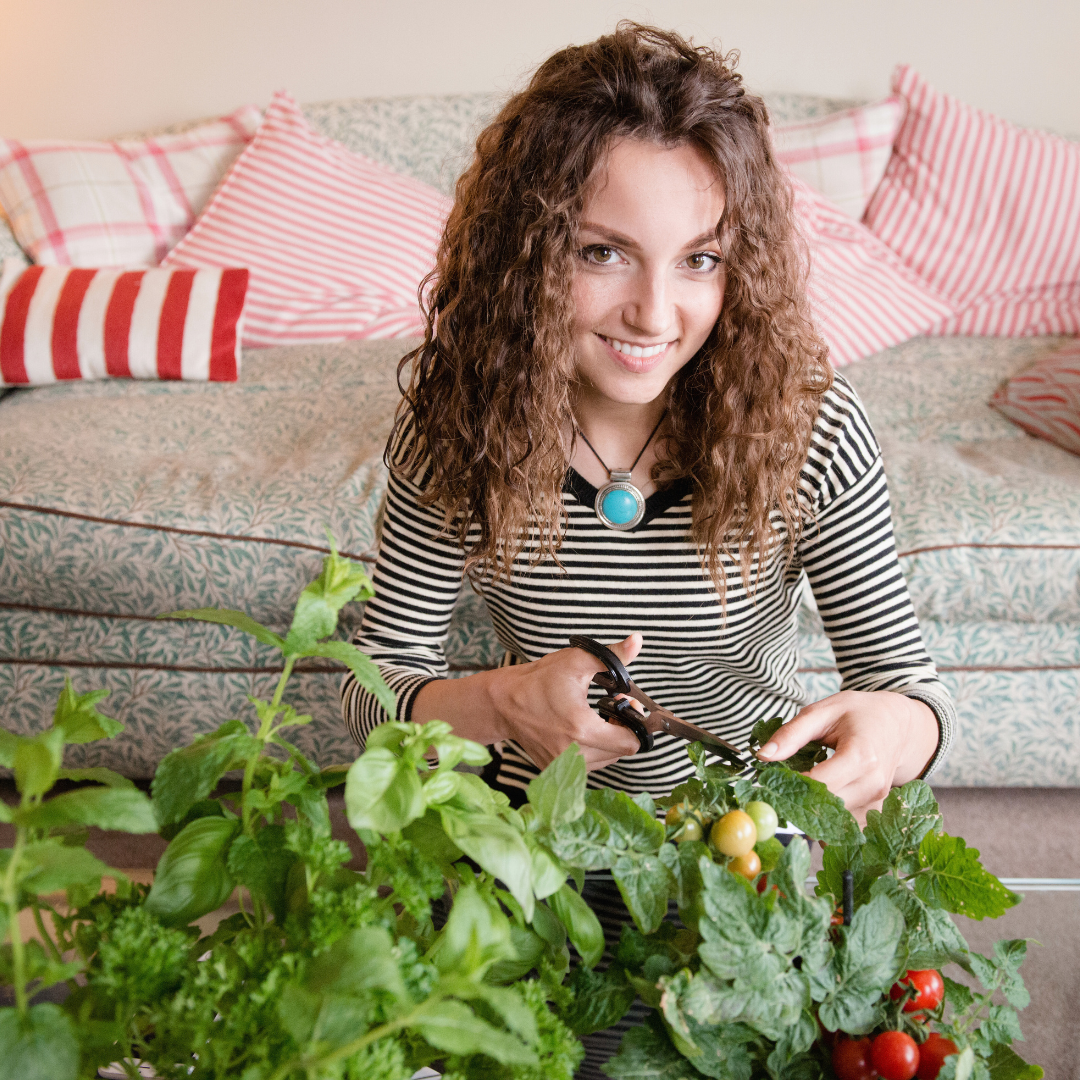
Starting an indoor vegetable garden can be a rewarding endeavor, allowing individuals to enjoy fresh produce year-round. With the right tips, anyone can cultivate a successful indoor garden that thrives in a controlled environment. Indoor gardening offers numerous benefits, including improved air quality and better access to healthy food choices.
By maintaining a controlled environment, growers can mitigate pests and disease, which often threaten outdoor gardens. Additionally, growing vegetables indoors not only supports a sustainable lifestyle but also promotes better health through the consumption of fresh produce. The experience of gardening indoors can be fulfilling, enhancing one’s connection to food and the environment.
To embark on this journey, it’s vital to choose the right plants, understand the light and temperature needs, and establish a consistent watering routine. With dedication and the right approach, an indoor vegetable garden can flourish and provide a reliable source of nutrition all year long.
Getting Started with Indoor Vegetable Gardening
Initiating an indoor vegetable garden requires thoughtful consideration of several key aspects. These include finding a suitable location, selecting appropriate containers and grow lights, ensuring proper soil and nutrients, and choosing the right vegetables to cultivate.
Choosing the Right Location
The ideal spot for an indoor vegetable garden should receive ample natural light. A south-facing window is often the best choice because it provides the most sunlight throughout the day. If natural light is insufficient, she may need to supplement with artificial grow lights.
The indoor environment must also maintain a consistent temperature, typically between 65°F to 75°F. Humidity levels are critical too; they should remain between 40% and 60%. A draft-free area is essential to avoid stress on the plants.
Selecting Containers and Grow Lights
Containers must have adequate drainage and be made from materials that allow for airflow, such as clay or certain plastics. Sizes should vary according to the plants being grown; for instance, tomatoes require larger pots, while herbs can thrive in smaller containers.
Grow lights are essential when natural sunlight is lacking. Full-spectrum LED grow lights are a strong choice because they mimic natural light and consume less energy. Positioning the lights 6-12 inches above the plants ensures they receive sufficient light without burning the foliage.
Essentials of Soil and Nutrients
Using a quality potting mix designed for indoor gardens is crucial. Indoor plants often thrive in mixes that include ingredients like peat, vermiculite, or perlite for optimal drainage. Avoid using garden soil, as it may contain pests or diseases.
Fertilization is another key component. A balanced, water-soluble fertilizer can provide essential nutrients. She should consider a fertilizer with a ratio of 10-10-10 or 5-10-5, ensuring that the plants get the necessary nitrogen, phosphorus, and potassium throughout their growth.
Selecting the Right Vegetables to Grow
Selecting vegetables suited for indoor gardening can influence success. Leafy greens like lettuce and spinach are favorable choices due to their compact growth and quick harvest times.
Additionally, herbs such as basil, cilantro, and parsley are great for indoor gardens, as they require minimal space. For those wanting larger plants, compact varieties of tomatoes and peppers can flourish indoors with the right care and conditions.
Optimizing Plant Growth and Health
To cultivate healthy indoor vegetables, focusing on watering, light, humidity, and air circulation is essential. These factors directly impact plant growth and overall health, leading to a successful garden.
The Importance of Watering and Drainage
Proper watering is crucial for indoor vegetable gardens. Plants require consistent moisture, but overwatering can lead to root rot. It’s vital to use pots with drainage holes to prevent excess water from accumulating at the bottom.
A good rule of thumb is to water when the top inch of soil feels dry. This encourages the roots to grow deeper in search of moisture. Using self-watering pots can also aid in maintaining consistent moisture levels.
When watering, aim for the base of the plant rather than the leaves to reduce the risk of fungal issues. Monitoring the moisture level helps in adjusting watering frequency according to the plant’s needs.
Understanding Light Requirements
Adequate light is fundamental for photosynthesis and plant health. Most indoor vegetables thrive in bright, indirect light for at least 12-16 hours daily. Grow lights are helpful in providing the necessary light, especially during darker months.
Different plants have varying light requirements. For example, leafy greens like spinach and lettuce prefer moderate light, while fruiting plants like tomatoes require more intense light.
Positioning plants near windows may suffice, but using a small fan can help improve light distribution. Regularly rotate pots to ensure all sides of the plant receive equal light exposure.
Maintaining Humidity and Air Circulation
Humidity levels significantly affect indoor plants, especially in dry environments. Most vegetables thrive in humidity between 40-60%. Using a humidifier can help maintain these levels, especially during winter months.
Good airflow is essential to prevent mold and pests. Placing a small fan in the room can enhance air circulation, which helps maintain humidity and provides a consistent environment for the plants.
Avoid placing plants too close together, as this can restrict airflow. Ensuring adequate space allows for better air movement and reduces the chances of disease. Regularly checking humidity and adjusting as necessary will contribute to healthier plants.
Advanced Techniques and Considerations
Incorporating advanced techniques can significantly enhance the success of an indoor vegetable garden. Key strategies include optimal pruning practices, efficient crop rotation, and exploring innovative growing methods such as vertical gardening and hydroponics.
Pruning and Crop Rotation
Pruning is essential for maintaining healthy plants. It encourages airflow and light penetration, which can lead to higher yields. Removing dead or overcrowded leaves improves plant health.
Crop rotation, while more common outdoors, can also benefit indoor gardens. Alternating different plant families in the same space prevents soil nutrient depletion and reduces pest buildup. For example, following leafy greens with legumes can optimize nitrogen levels in the soil, fostering ideal conditions for new plants.
Fertilization and Pest Management
Choosing the right fertilization approach can make a substantial difference. Organic fertilizers, such as compost or well-rotted manure, provide essential nutrients without harmful chemicals. Indoor gardeners should apply fertilizers regularly, approximately every 4-6 weeks, to sustain growth.
Effective pest management is equally vital. Regularly monitoring plants for pests helps to catch problems early. Sticky traps can capture flying insects, providing a non-toxic management option. In addition, introducing beneficial insects, like ladybugs, can naturally control pest populations.
While ladybugs are beneficial, other flying insects, including bees, can sometimes establish nests in or around homes, posing a different kind of challenge. When these situations arise, especially with aggressive swarms or nests in inconvenient locations, it’s crucial to address them safely and promptly.
Unlike garden pests, dealing with a bee infestation often requires specialized expertise to ensure both human safety and the bees’ well-being, if possible. For immediate and professional assistance with such unexpected wildlife encounters, homeowners often seek 24/7 emergency bee removal services. This ensures that any potential hazards are managed efficiently and humanely, protecting both residents and the local ecosystem.
Exploring Vertical Gardening and Hydroponics
Vertical gardening maximizes limited indoor space. Using shelves or walls, gardeners can grow various plants upwards. This method enhances light exposure and can lead to healthier crops. Growers often use containers to facilitate drainage and support lightweight plants.
Hydroponic systems present an advanced alternative to soil gardening. They provide nutrients directly to plant roots via nutrient-rich water solutions. Systems like Deep Water Culture or Nutrient Film Technique can boost growth rates and yield. Hydroponics eliminates common soil-borne pests and diseases, offering a cleaner growing environment.
Maintenance and Care for Long-Term Success
Maintaining an indoor vegetable garden requires consistent effort and attention. Proper care ensures healthy plants and a fruitful harvest. This section covers essential practices for ongoing success.
Regular Monitoring and Adjustments
Regular monitoring is crucial for the health of the plants. She should check moisture levels in the soil frequently. Overwatering or underwatering can lead to root rot or stunted growth.
Signs of Water Stress:
- Yellowing leaves may indicate overwatering.
- Wilting and dry leaves suggest underwatering.
Adjustments in light exposure are also essential. If plants appear leggy, they may need more light. Conversely, if leaves crisp, they might be receiving too much direct light.
Environmental conditions like temperature and humidity should be monitored as well. Maintaining a comfortable range enhances plant growth, especially for easy-to-grow vegetables.
Harvesting and Enjoying Your Vegetables
Proper harvesting techniques influence both yield and plant health. She should harvest vegetables at their peak ripeness for optimal flavor and nutrition.
Tips for Harvesting:
- Use clean, sharp scissors or garden shears to avoid damaging plants.
- Harvest regularly to encourage continuous growth.
After harvesting, proper storage methods help maintain freshness. Leafy greens can be stored in a sealed bag in the fridge, while root vegetables do better in cool, dry places. Enjoying the produce rewards the effort put into the garden.
Continuous Learning and Adaptation
Every garden presents unique challenges. Continuous learning allows for better adaptation to changing conditions. Researching best practices for specific plants aids in improving yields.
They should consider succession planting for a steady supply of vegetables. Choosing different varieties can also enhance resilience against pests and diseases.
Keeping a gardening journal can help track what worked and what didn’t. This record guides future decisions and planting strategies for sustained success in the indoor garden.
Leave a Reply