

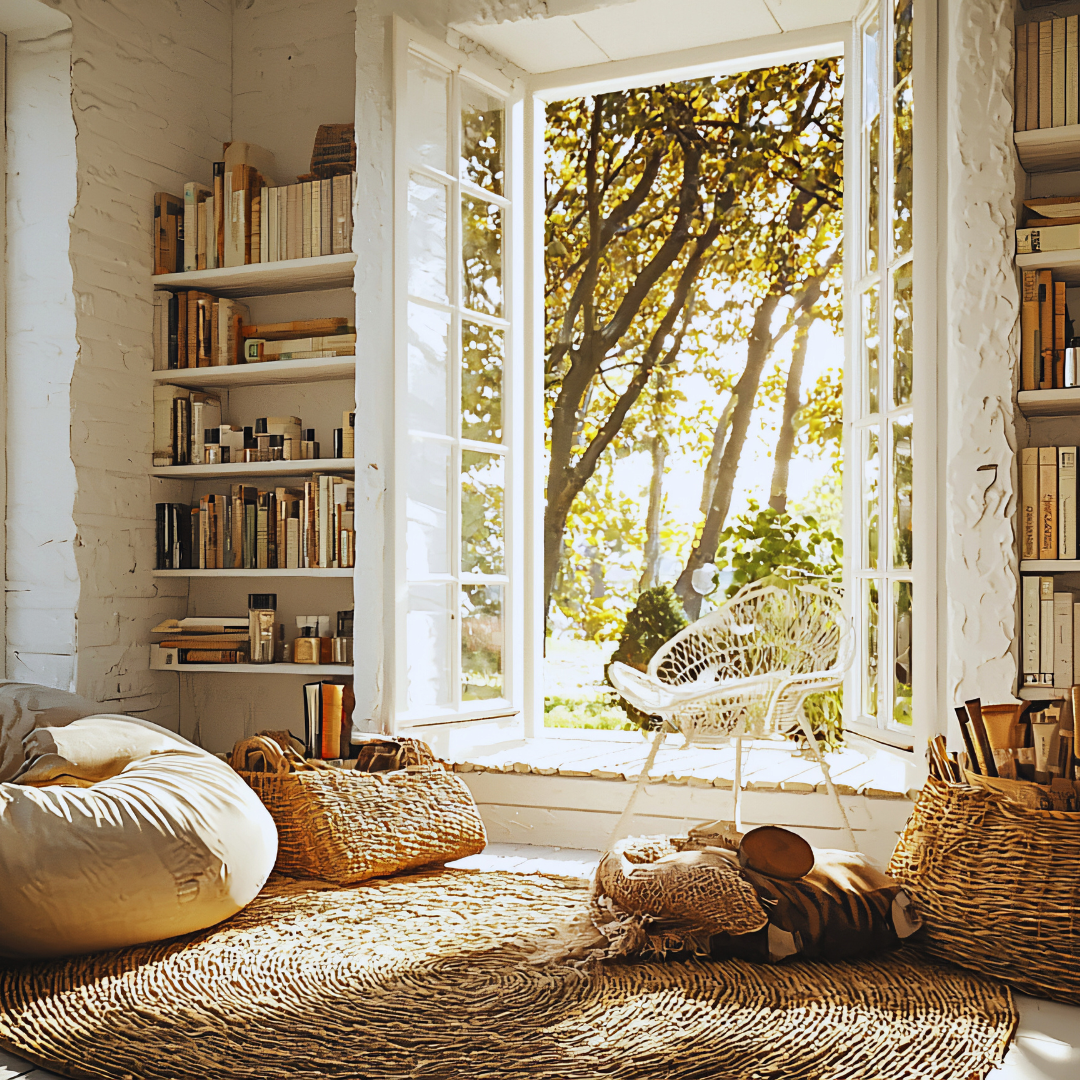
Creating a wellness corner in a living space can significantly enhance one’s emotional and mental well-being. A dedicated area for relaxation and reflection can foster a sense of peace and promote healthier habits. This space can be anything from a cozy reading nook to a yoga corner, tailored to individual preferences and needs.
By incorporating elements such as plants, calming colors, and comfortable seating, it becomes easier for anyone to unwind and recharge. Consideration of personal interests and wellness activities will help in designing a space that encourages regular use.
Establishing this corner not only adds aesthetic value but also serves as a constant reminder to prioritize self-care in a busy lifestyle. Engaging with this space regularly reinforces positive habits and nurtures a holistic approach to well-being.
Choosing and Preparing Your Wellness Corner
Creating a dedicated wellness corner involves selecting the right location, utilizing natural light, and ensuring privacy. Each element contributes to a calm and serene environment that promotes relaxation and mindfulness.
Identifying the Best Location
Choosing the best location is crucial for a wellness corner. A quiet corner of the home can significantly enhance relaxation. Ideal spots often include spare rooms, nooks near windows, or areas away from high-traffic zones.
Consider accessibility and comfort; the space should invite a sense of tranquility. Popular choices include:
- Near windows: Benefiting from natural light.
- Away from noise: Ensuring fewer distractions.
- Comfortable furniture: Providing relaxation options like a cozy chair or floor cushions.
This location forms the foundation for a successful wellness area.
Harnessing Natural Light and Quiet Spaces
Natural light plays a vital role in creating a refreshing ambiance. A well-lit area can enhance mood and energy levels, making it ideal for mindfulness practices. Positioning the wellness corner near a window is beneficial.
Incorporate light, airy curtains to soften harsh sunlight while maintaining brightness. Here are some ideas to maximize natural light:
- Use mirrors: To reflect light and create an illusion of space.
- Add plants: They thrive in natural light and improve air quality.
- Position seating: Close to the window for optimal exposure.
Quiet spaces away from household noise further enhance the experience, allowing for uninterrupted meditation or relaxation.
Considering Room Dividers and Privacy
Room dividers offer a practical solution for enhancing privacy in a wellness corner. They can create a defined space that separates wellness activities from other home areas. Options include:
- Screens or curtains: Easy to set up and remove.
- Bookshelves: Function as dividers while providing storage.
- Wall panels: Permanently segment the area for long-term use.
Creating a sense of privacy fosters concentration and peace. This separation invites deeper immersion in wellness practices, essential for achieving the desired calming effects.
Design Principles for a Calming Wellness Space
Creating a calming wellness corner involves intentional design choices. The right color palette, lighting, and décor can significantly affect the atmosphere and promote relaxation. Focusing on these elements will help establish a serene environment.
Incorporating Soft Sage Greens and Soothing Colors
Soft sage greens evoke nature and tranquility. This gentle hue can be used on walls, accessories, or furniture to create a cohesive and calming look. Complementing sage with other soft colors, like muted blues or earthy neutrals, can enhance the sense of peace.
Color Combinations:
- Soft Sage Green + Light Beige
- Muted Teal + Soft White
- Pale Gray + Dusty Pink
These combinations foster a relaxed ambiance. Avoid overly bright or harsh colors, as they can disrupt the calming effect desired in a wellness space. Textiles in these shades, such as cushions and curtains, add comfort.
Balancing Soft Lighting and Ambience
Lighting plays a crucial role in influencing mood. Soft lighting supports relaxation and aligns with the body’s natural circadian rhythm. Selecting warm light bulbs or using dimmers allows for adjustable brightness.
Types of Lighting to Consider:
- Table lamps with warm bulbs
- Floor lamps with adjustable brightness
- Candles for a soft glow
Incorporating multiple light sources enhances the space’s ambiance. Natural light sources, like windows, should be maximized to bring in daylight, promoting a wholesome feeling.
Integrating Biophilic and Mindful Décor
Biophilic design connects people to nature, fostering a sense of peace. Incorporating plants like snake plants or peace lilies improves air quality and adds vitality to the corner.
Decor Ideas:
- Natural materials: Wood, stone, or clay items
- Artwork: Images of nature or calming scenes
- Mindful reminders: Quotes that promote relaxation or mindfulness
Arranging these elements with intention promotes a mindful living space. Each piece should resonate with tranquility, contributing to the overall calming atmosphere. This thoughtful approach supports both mental and emotional well-being.
Essential Elements and Zones for Wellness
Creating an effective wellness corner involves distinct areas dedicated to relaxation, meditation, and movement. Each zone should cater to specific wellness activities, providing a harmonious environment that enhances well-being.
Creating a Relaxing Reading Nook
A reading nook should foster a calming atmosphere. Choose a quiet corner with natural light. Comfort is key; opt for a floor cushion or a cozy chair. Add a small side table for drinks or books.
Incorporate soft textiles, like a throw blanket or cushions, to enhance comfort. Shelves nearby can provide easy access to books. Consider using warm lighting, such as a lamp with a soft glow, to create an inviting ambiance. Personal touches, like plants or art, can make the space uniquely yours.
Designing a Dedicated Meditation Space
A meditation space requires minimal distractions. Select a small area where noise is reduced. A yoga mat serves as the foundation for both meditation and mindfulness practices.
Use floor cushions to promote comfortable seating or sitting. Incorporating elements like incense, candles, or calming music can enhance the environment. A small altar with meaningful objects can help focus the mind during morning meditation sessions.
These components should align with the individual’s preferences, fostering a personalized experience that encourages mindfulness and relaxation.
Implementing a Movement Zone for Yoga
The movement zone should have ample space for yoga practice. Ensure the area is clear of clutter to allow for movement. A sturdy yoga mat is essential, providing stability and support during poses.
Consider adding storage for props like blocks or straps, ensuring they are accessible when needed. Good lighting, whether natural or artificial, can greatly impact the practice.
Additionally, a speaker for soothing music or guided sessions can enhance the experience. This zone should inspire a sense of tranquility and movement, making it an integral part of the wellness corner.
Maintaining and Evolving Your Wellness Corner
A wellness corner is not a static space; it requires consistent upkeep and adaptation. Regular maintenance routines and an openness to change ensure the area remains effective for a personal wellness journey.
Daily and Seasonal Maintenance Routines
To keep a wellness corner effective, daily routines are essential. Each morning, it helps to spend a few minutes tidying up, ensuring that everything is in its designated place. This might include arranging cushions, lighting candles, or refreshing plants.
Seasonal maintenance should focus on changing elements based on the time of year. For example, during spring, one might incorporate fresh flowers or new plant varieties. In winter, adding warm textiles or mood lighting can enhance the atmosphere. Regular cleaning is important too; dust surfaces and sanitize items like yoga mats or aromatherapy diffusers.
Helpful tips:
- Daily Tasks:
- Tidy up
- Refresh candles
- Water plants
- Seasonal Tasks:
- Rotate decor
- Update scents or oils
- Change textiles
These small acts ensure the corner continues to serve as an inviting retreat.
Adapting the Space for Changing Wellness Needs
As personal wellness needs evolve, the corner should adapt accordingly. Regular reflection is crucial to determine what practices feel beneficial at any given time.
Incorporating new elements can help address changing focuses, whether it’s meditation, yoga, or journaling. For instance, if stress levels increase, adding sound elements, like a small fountain or calming music, might provide relief. If physical activity becomes a priority, dedicating space for exercise equipment is advisable.
Key considerations include:
- Purpose: Regularly reevaluate what the wellness corner should support (meditation, exercise, relaxation).
- Flexibility: Use modular furniture that can be rearranged easily to accommodate new activities.
- Inspiration: Change artwork or quotes to reflect current intentions or goals.
This flexibility ensures that the wellness corner remains a relevant sanctuary.
Leave a Reply