

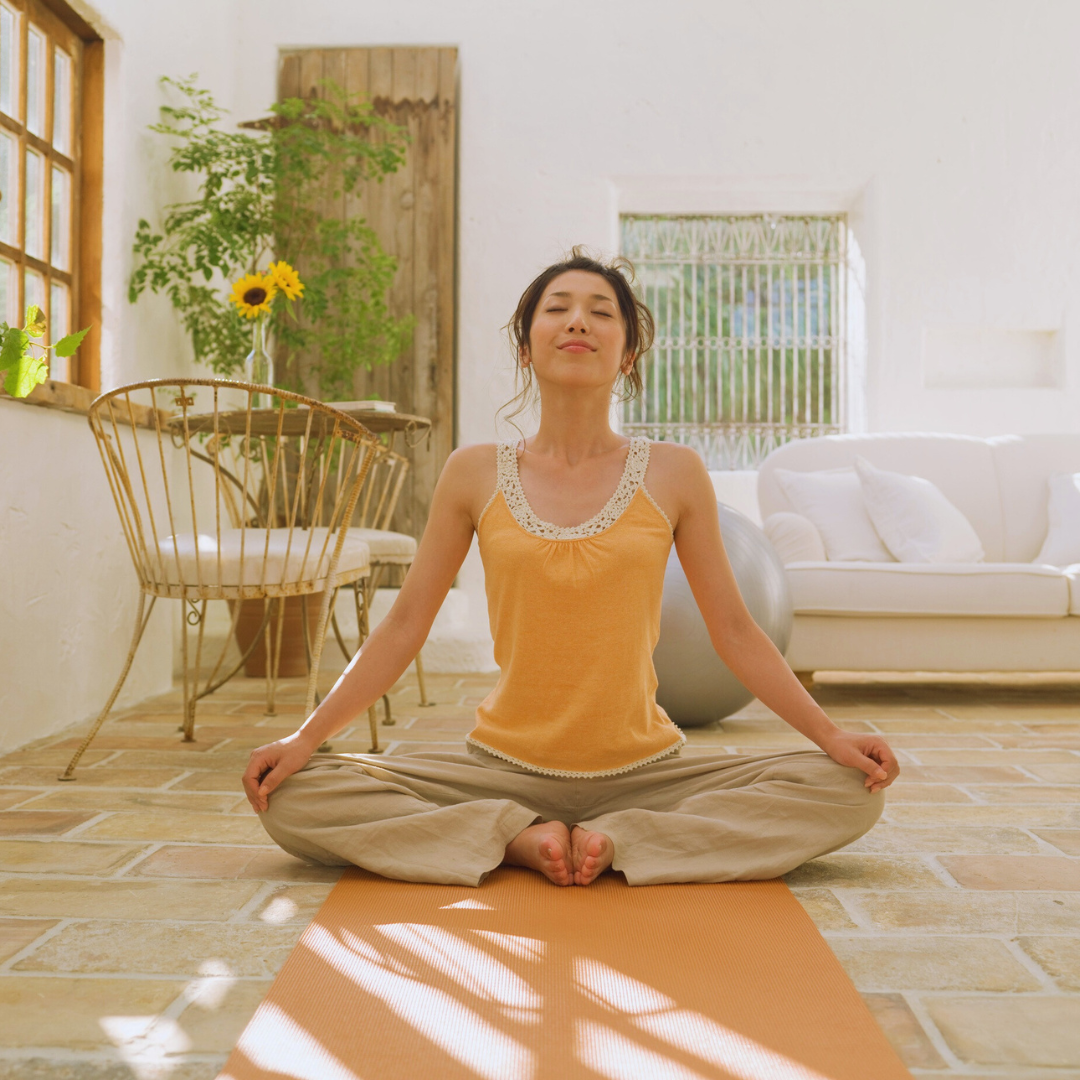
In today’s fast-paced world, stress has become a common companion in daily life. Many seek effective ways to manage this stress without sacrificing time or energy. Mindfulness is a practical tool that can help individuals reduce daily stress by promoting present-moment awareness and emotional regulation.
Implementing mindfulness into a daily routine can be surprisingly simple. Techniques such as focused breathing, guided meditations, and mindful walking allow individuals to center their thoughts and gain clarity amidst their hectic schedules. With consistent practice, these methods can lead to greater emotional resilience and improved overall well-being.
As individuals explore ways to cultivate mindfulness, they may discover increased calm and focus. By learning to observe their thoughts and feelings without judgment, they can better navigate stressors and react more effectively to life’s challenges.
Understanding Mindfulness for Stress Reduction
Mindfulness serves as a powerful tool for stress reduction, enhancing emotional well-being, and promoting mental health. This approach emphasizes present-moment awareness, which can effectively counter stress and tension.
What Is Mindfulness?
Mindfulness is the practice of paying attention to the present moment without judgment. It involves observing thoughts, feelings, and sensations as they arise, creating a space for individuals to reflect rather than react.
Common techniques include:
- Breath Awareness: Focusing on breathing patterns to anchor oneself in the moment.
- Body Scan: Noticing sensations throughout the body to increase awareness.
- Mindful Observation: Engaging with the environment, such as watching nature or listening to sounds.
These practices help in recognizing stress triggers and emotional responses, fostering a sense of control.
How Mindfulness Impacts Stress and Tension
Mindfulness can significantly reduce stress by altering how individuals perceive and respond to stressors. It helps create a buffer against overwhelming feelings, facilitating better emotional regulation.
Key impacts include:
- Decreased Cortisol Levels: Mindfulness practices have been shown to lower the stress hormone, thereby reducing physical tension.
- Enhanced Focus: By concentrating on the present, distractions and racing thoughts can diminish, leading to a calmer mindset.
- Improved Emotional Regulation: Regular mindfulness practice correlates with greater emotional balance, allowing one to manage stress more effectively.
Through these mechanisms, mindfulness helps in building resilience against daily stressors.
The Science Behind Mindfulness and Mental Health
Research supports the positive effects of mindfulness on mental health. Studies have indicated reductions in anxiety and depression among those who practice mindfulness regularly.
Findings reveal:
- Increased Brain Activation: Areas associated with emotional regulation show increased activity in individuals practicing mindfulness.
- Enhanced Well-Being: Regular practitioners report higher levels of life satisfaction and emotional stability.
- Neuroplasticity: Mindfulness can promote changes in brain structure that benefit mental health.
Engagement in mindfulness practices can lead to lasting improvements in emotional well-being, supporting stress reduction and overall mental health.
Core Mindfulness Practices to Manage Daily Stress
Mindfulness practices can significantly help in reducing daily stress. Techniques like mindful breathing and guided imagery promote relaxation and enhance well-being.
Mindful Breathing
Mindful breathing focuses on bringing attention to the breath. By observing each inhale and exhale, individuals can anchor themselves in the present moment. This practice helps to slow down racing thoughts and encourages a sense of calmness.
To start, find a comfortable position and close your eyes. Take a deep breath in through the nose, allowing the abdomen to rise. Exhale slowly through the mouth, noticing any tension released with each breath. Repeating this for a few minutes can activate the relaxation response, which counters stress.
Body Scan Meditation
Body scan meditation encourages awareness of bodily sensations. By mentally scanning from head to toe, individuals can identify areas of tension and consciously release them.
This practice begins by lying down or sitting comfortably. Starting at the head, focus on each part of the body, slowly moving down to the feet. As attention shifts, practitioners should note sensations without judgment and visualize relaxation washing over tense areas. This technique enhances mindfulness and promotes deeper relaxation.
Focused Breathing
Focused breathing involves concentrating on the rhythm of one’s breath. Unlike mindful breathing, this technique emphasizes controlled inhalation and exhalation to manage stress effectively.
To practice, one can inhale deeply for a count of four, hold for four, and exhale for six. This pattern helps to regulate the body’s stress response. By focusing solely on the breath, distractions fade, leading to a more peaceful state of mind. This technique is particularly useful in stressful moments when calmness is crucial.
Guided Imagery
Guided imagery is a visualization technique that uses mental images to create a serene environment. This practice helps to transport individuals to calm spaces, reducing stress and enhancing relaxation.
To engage in guided imagery, choose a quiet place and close your eyes. Visualize a peaceful scene, such as a beach or forest. Engage all senses—imagine the sounds, sights, and smells of that environment. This immersive experience can promote a sense of well-being and diminish feelings of stress. Regular practice of this technique can foster resilience against daily stressors.
Integrating Mindfulness into Everyday Life
Incorporating mindfulness into daily routines can significantly enhance one’s ability to manage stress. Techniques such as mindful eating, walking, taking breaks, and journaling foster awareness and presence, contributing to improved physical health and inner peace.
Mindful Eating
Mindful eating involves paying full attention to the experience of eating. It encourages individuals to notice the colors, textures, and flavors of their food.
To practice this, one should:
- Eliminate distractions, such as screens or multitasking.
- Take slow, deliberate bites, chewing thoroughly.
- Reflect on the origins of the food, considering its journey to the table.
This practice not only promotes healthier eating habits but also aids digestion and reduces the likelihood of overeating. Engaging fully with each meal creates an opportunity to appreciate the nourishment provided.
Mindful Walking
Mindful walking transforms a simple activity into a focused mindfulness practice. It involves being present with each step and tuning in to the sensations experienced during the walk.
To implement this practice, one can:
- Walk outdoors in a natural setting, feeling the ground underfoot.
- Focus on the rhythm of breath, syncing it with the pace of steps.
- Notice the sights, sounds, and scents of the environment.
This form of mindfulness helps clear the mind, reduce anxiety, and enhance the connection to one’s surroundings, promoting overall well-being.
Mindfulness Breaks
Mindfulness breaks are short, intentional pauses taken throughout the day to recenter and refocus. These breaks assist in reducing stress and enhancing productivity.
Incorporating mindfulness breaks can involve:
- Setting aside a few minutes to focus solely on breathing.
- Practicing body scans to identify and release tension.
- Engaging in quick, mindful stretches to relieve bodily discomfort.
These brief moments of mindfulness can serve as effective reset points, improving mental clarity and emotional resilience throughout the day.
Journaling
Journaling is a powerful tool for mindfulness, facilitating self-reflection and awareness. By writing thoughts and emotions, individuals can gain insight into their internal experiences.
To make journaling a mindful practice, one can:
- Write without judgment, allowing thoughts to flow freely.
- Focus on specific emotions or daily experiences, analyzing triggers and reactions.
- Set aside dedicated time for journaling, creating a routine.
This practice not only promotes emotional processing but also enhances clarity and fosters a sense of inner peace, contributing positively to mental health.
Advanced Techniques and Building Emotional Resilience
Incorporating advanced mindfulness techniques can strengthen emotional resilience, effectively reducing daily stress. These methods enhance one’s ability to manage emotions, foster connections, and maintain a balanced mindset.
Loving-Kindness Meditation
Loving-kindness meditation (LKM) focuses on developing compassion towards oneself and others. This practice begins with the individual sitting quietly and repeating phrases like “May I be happy, may I be healthy.”
As they progress, these phrases are extended to loved ones, acquaintances, and even to those with whom they have conflict. Studies show that LKM can increase positive emotions while reducing anxiety and depression. Regular practice enhances emotional resilience, promoting overall well-being.
Gratitude Practice
Gratitude practices involve regularly reflecting on and appreciating positive aspects of life. Individuals may keep a gratitude journal, writing down three to five things they are thankful for each day.
This simple routine shifts focus away from stressors and negative thoughts, fostering a positive mindset. Research indicates that cultivating gratitude can lead to improved psychological health and enhanced emotional resilience, making it an essential part of any stress management toolkit.
Empathy and Compassion in Daily Interactions
Empathy involves understanding and sharing the feelings of others. Practicing empathy in daily interactions can help individuals build strong connections and improve emotional resilience.
By actively listening and validating others’ emotions, one becomes more attuned to their own feelings. This awareness allows individuals to manage stress more effectively and respond compassionately. Such practices enrich personal relationships and contribute positively to overall mental health.
DBT and Mindfulness Strategies
Dialectical Behavior Therapy (DBT) integrates mindfulness strategies aimed at building emotional resilience. Core DBT skills include mindfulness, distress tolerance, emotional regulation, and interpersonal effectiveness.
Mindfulness skills teach individuals to observe thoughts and feelings without judgment, enhancing concentration and reducing anxiety. This approach equips individuals with tools to navigate emotional challenges more effectively, contributing to long-term stress management and improved mental well-being.
Leave a Reply