

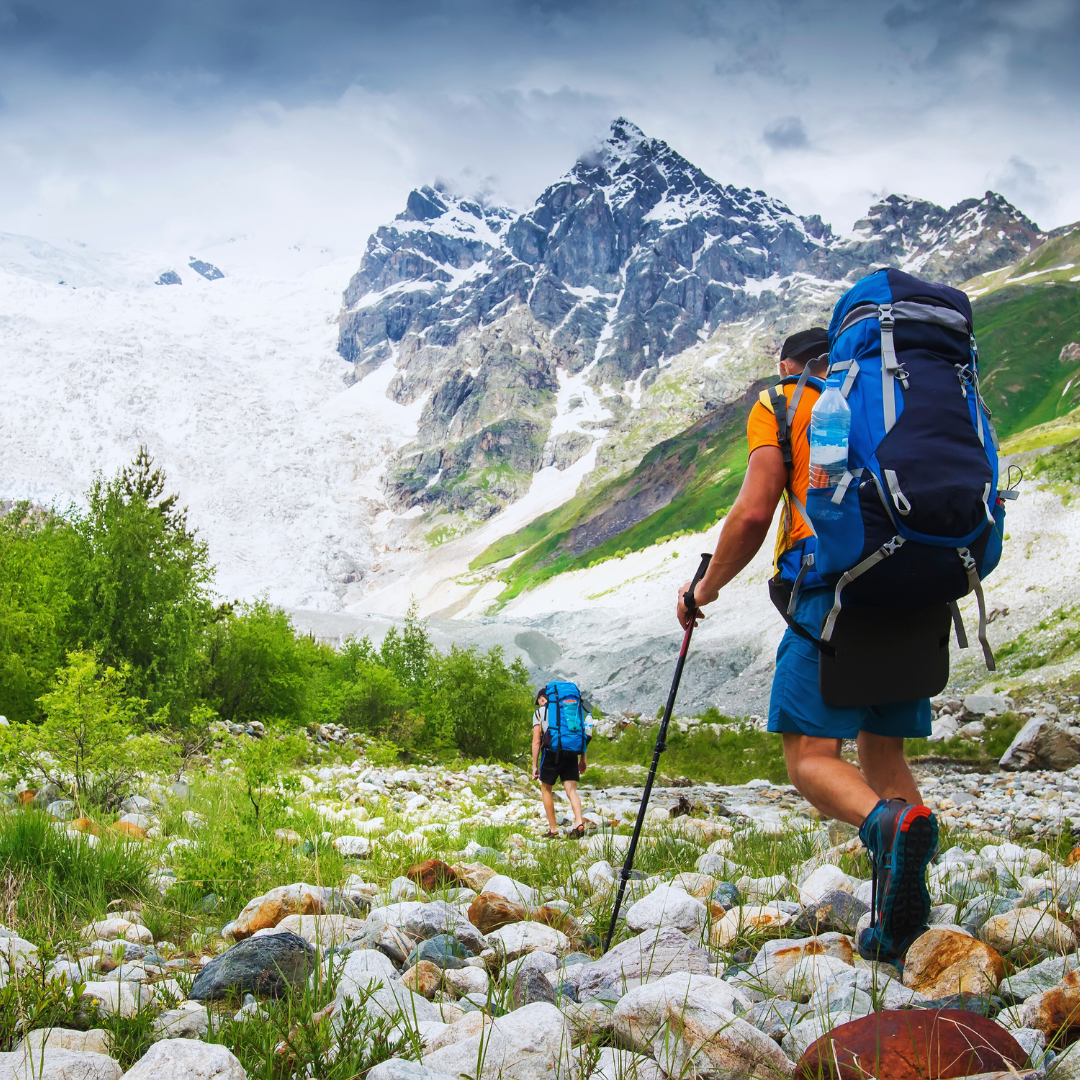
For individuals seeking to unwind during a slow weekend, engaging in calming activities can transform free time into a restorative experience. The best calming activities include practices like yoga, meditation, and leisurely walks in nature, which encourage relaxation and mental clarity. These activities not only provide a break from the hustle and bustle but also enhance overall well-being.
Reading prompts the imagination and fosters a sense of escape, making it another excellent option for a peaceful weekend. Cozying up with a good book or exploring new genres creates a serene atmosphere, inviting readers to slow down and enjoy the moment. Additionally, arts and crafts can serve as a delightful outlet for creativity while promoting mindfulness.
Incorporating these calming activities into a weekend empowers individuals to prioritize self-care and recharge for the week ahead. By embracing such practices, they can cultivate a sense of inner peace and rejuvenation that lingers long after the weekend ends.
Fundamentals of a Calming and Relaxing Weekend
Creating a relaxing weekend involves intentional actions that prioritize rest, mental health, and a serene environment. By focusing on boundaries, sleep, and atmosphere, individuals can cultivate a space and mindset conducive to tranquility.
Setting Boundaries for Rest
Establishing clear boundaries is essential for a calming weekend. This includes saying no to work commitments, social obligations, or any activities that may induce stress.
A useful approach is to designate specific times for relaxation, such as a digital detox period. This allows for uninterrupted time to unwind. Engage in activities like reading, meditation, or gentle exercises that promote mental clarity and peace.
Communicating boundaries with others can enhance the experience. Letting friends and family know about the need for downtime can foster understanding and support.
Prioritizing Sleep and Naps
Quality sleep is fundamental for mental health and relaxation. Individuals should aim for a consistent sleep schedule, ideally 7-9 hours per night.
Creating a calming bedtime ritual can enhance sleep quality. This may include activities like dimming the lights, limiting screen time, and practicing relaxation techniques such as deep breathing or gentle stretching.
Incorporating short naps can be beneficial as well. A 20-30 minute nap can reduce fatigue and improve mood, making it easier to enjoy the weekend fully.
Creating a Calming Home Environment
The home environment significantly influences relaxation. To promote calmness, consider decluttering spaces to reduce visual stress. A tidy home reflects and fosters a tranquil mind.
Incorporating elements like plants, soft lighting, and soothing colors can further enhance the atmosphere. Scents from essential oils or candles can also create a peaceful ambiance.
Creating quiet zones in the home, such as a reading nook or meditation corner, can provide designated spaces for relaxation. These intentional choices contribute to an overall sense of peace, enriching the weekend experience.
Mindful Activities to Promote Calm
Engaging in mindful activities can significantly enhance relaxation and mental clarity. Incorporating practices like meditation, yoga, and journaling allows individuals to cultivate a deeper sense of calm.
Meditation and Mindfulness Practices
Meditation provides a structured way to enhance focus and promote inner peace. Individuals can try guided meditations or mindfulness techniques that emphasize breathing and awareness of thoughts.
Practices often include sitting comfortably, closing the eyes, and directing attention to the breath. Repeating a calming mantra can further enhance concentration. Regular practice has been linked to reduced stress and improved mental health.
Individuals may start with short sessions, gradually increasing their duration. Apps and online resources also offer valuable guidance for beginners seeking to establish a consistent practice.
Yoga and Gentle Exercise for Relaxation
Yoga combines physical movement with breath awareness, which fosters relaxation. Poses such as Child’s Pose or Seated Forward Bend help release tension while promoting flexibility.
Gentle stretching routines can be practiced at home, focusing on mindful sensations in the body. Maintaining a slow pace is essential for nurturing a calming environment.
Including breathing exercises (pranayama) enhances the calming effects of yoga. Regular participation can lead to improved mental clarity and overall well-being. Classes and online tutorials are available for those who prefer guided instruction.
Journaling and Reflective Practices
Journaling serves as an effective tool for emotional expression and self-reflection. Writing about daily experiences can clarify thoughts and feelings, alleviating mental clutter.
Incorporating prompts, such as “What made me feel calm today?” can guide entries. Handwriting allows for deeper processing compared to typing, fostering a stronger connection to emotions.
Setting aside time for journaling encourages regular reflection, supporting mental health. Some individuals find that drawing or doodling enhances the creative process, further promoting relaxation. This practice can become a crucial component of a slow weekend.
Creative and Leisure Hobbies for Enjoyment
Engaging in creative and leisure hobbies can provide significant relaxation and satisfaction during a slow weekend. These activities not only enhance skills but also offer a peaceful escape from daily routines.
Artistic Outlets: Painting, Drawing, and Photography
Creative expression through art is a fulfilling way to unwind. Painting allows individuals to explore colors and emotions on canvas, whether through acrylic, watercolor, or oil mediums.
Drawing can be as simple as sketching in a notebook or creating detailed portraits. It encourages mindfulness and helps improve fine motor skills.
Photography captures moments and enhances one’s appreciation for surroundings. Experimenting with different angles and lighting can lead to stunning images. All these activities promote relaxation while fostering creativity.
Crafting and Hands-On Projects
Crafting offers numerous options for tactile engagement. Knitting is popular for its rhythmic nature; the repetitive actions can be meditative. Creating scarves or blankets can be quite rewarding.
Scrapbooking lets individuals preserve memories creatively, combining photographs and decorative materials.
DIY projects, such as building furniture or home decor, also provide a sense of accomplishment. These hands-on activities can be an excellent way to express individuality while enjoying leisure time.
Playing Music and Listening to Podcasts
Playing music can profoundly impact mood and relaxation. For many, learning an instrument offers an outlet for self-expression. Whether strumming a guitar or practicing piano, the focus required can be both enjoyable and therapeutic.
Listening to podcasts broadens knowledge on various topics. From storytelling to educational content, these audio experiences can be both entertaining and enlightening.
Combining these activities creates a well-rounded approach to leisure time, enhancing both skill and relaxation while providing enjoyment throughout the weekend.
Self-Care and Outdoor Calming Activities
This section explores various self-care practices and outdoor activities that promote relaxation and rejuvenation. These activities can enhance both mental and physical well-being, making them ideal for a slow weekend.
Spa Day and Pampering Routines
Creating a spa day at home can be a fulfilling way to pamper oneself. She can start with a soothing facial using natural ingredients or store-bought masks tailored to her skin type. A long, warm bath with added essential oils can enhance the experience, offering relaxation through aromatherapy.
Consider adding a pedicure to this pampering routine. It not only feels luxurious but also provides the feeling of cleanliness and care. Using calming scents like lavender can help to set a peaceful atmosphere. Enjoying these personal care activities helps to reduce stress and promote overall wellness.
Nature Walks, Hiking, and Bike Rides
Engaging in outdoor activities like walking, hiking, or bike rides can be incredibly beneficial for mental health. These activities allow him to connect with nature, which has a calming effect on the mind. Hiking through wooded trails or biking along scenic paths can offer fresh air and new perspectives.
If he prefers a more structured approach, local parks offer walking or biking trails. Spending time outdoors can also encourage mindfulness, as being in nature heightens awareness of one’s surroundings. Many find a simple stroll through a garden or along a riverbank refreshing and restorative.
Cooking, Baking, and Savoring Decaffeinated Coffee
Cooking or baking can serve as therapeutic activities that promote mindfulness. She can spend time selecting fresh ingredients, which allows for creative expression while preparing meals. Baking treats or preparing comforting dishes can be particularly rewarding.
Pairing these culinary efforts with a cup of decaffeinated coffee adds a relaxing touch. Choosing to savor the drink while enjoying the fruits of her labor enhances the mindful experience. Focus on the aroma and flavor, allowing for a moment of gratitude and pleasure.
Movie Marathons and Museum Visits
Watching movies is a simple yet effective way to unwind. A movie marathon of favorite or nostalgic films can evoke a sense of comfort. He can create a cozy environment with blankets and snacks to bolster the relaxation experience.
Alternatively, visiting museums allows for exploration and enlightenment. Engaging with art or history can be a calming escape from daily stresses. She can immerse herself in the exhibits, appreciating the creativity and thought behind them, which fosters a sense of peace and reflection.
Leave a Reply