

Personalizing a living space can transform it from a generic setting into a reflection of individual taste and style. Simple DIY projects offer a great way to infuse comfort and personality into home decor without the need for extensive crafting skills. These projects empower anyone to create unique pieces that enhance their environment.
From upcycled furniture to handmade wall art, there are numerous straightforward options available. These tasks not only add flair to a home but also provide a fulfilling creative outlet. Engaging in these activities fosters a deeper connection to one’s space, making it truly feel like home.
Exploring different simple DIY projects can inspire fresh ideas and solutions. Individuals can choose projects that resonate with their aesthetic preferences, ensuring the final results are both functional and visually appealing. Creativity knows no bounds when it comes to personalizing a living space.
Designing Your Space
Designing a living space involves consideration of color, functionality, and personal style. A coherent plan enhances comfort and aesthetics, creating an environment that reflects individual tastes.
Selecting a Color Palette
Choosing a color palette sets the tone for any room. He or she should consider the mood desired. Warm colors like reds and yellows can energize a space, while cool colors such as blues and greens can create a calming effect.
Steps to select a color palette:
- Identify personal preferences.
- Look for inspiration in magazines or online.
- Test samples on walls before making a final decision.
Using a limited color scheme can maintain visual harmony. Accent colors should complement the primary shades to tie the room together.
Assessing the Functionality of Each Room
Functionality is essential when designing a space. It focuses on how rooms will be used and what activities will take place. He or she should evaluate the specific needs of each area.
Key considerations include:
- Traffic flow: Ensure easy movement within the space.
- Furniture placement: Choose pieces that fit and allow flexibility.
- Lighting: Natural and artificial light sources should enhance usability.
Effectively designed spaces promote comfort while serving their intended purposes. A well-organized room can also provide visual appeal.
Incorporating Personal Style
Reflecting personal style in home decor makes the space unique. He or she can achieve this through different elements like art, textiles, and accessories.
Strategies for personalizing a space:
- Display favorite artwork or photographs.
- Use textiles in favorite patterns or colors.
- Incorporate DIY projects that resonate emotionally.
Mixing various design styles can also add character. A blend of modern and vintage elements can create visual interest, ensuring that personal touches shine through.
Wall Decor and Art
Personalizing a living space with wall decor and art can significantly enhance its aesthetic appeal. From creating unique DIY wall art to designing a stunning gallery wall, there are various methods to make any room feel more inviting.
Creating DIY Wall Art
Creating DIY wall art offers endless opportunities for self-expression. One of the simplest methods is through paper quilling art, which involves rolling and shaping strips of paper into intricate designs. This craft requires minimal supplies and can be tailored to fit any color scheme or theme.
Textured canvas art can add depth to walls. For instance, applying textured paint or incorporating materials like fabric or natural elements can elevate a basic canvas. These pieces can easily reflect personal style and serve as a focal point in a room.
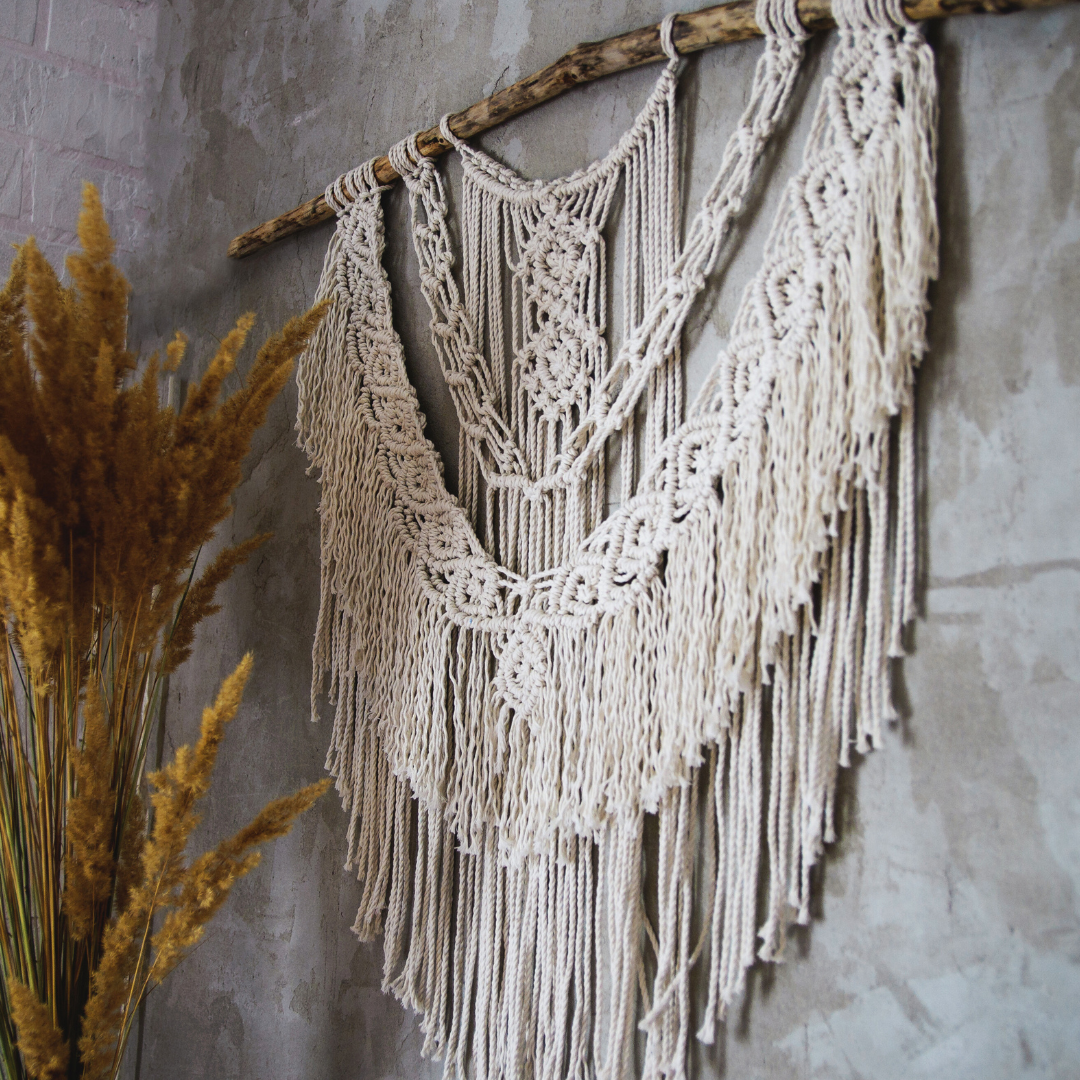
Macramé wall hangings are another excellent option. They add a unique, bohemian touch and can be customized in various sizes and colors. Additionally, crafting a wall tapestry with images or patterns creates visual interest while being lightweight and easy to hang.
Gallery Wall Tips
A gallery wall is a dynamic way to showcase personal collections. Start by selecting a central theme, such as travel memories or family photos, to provide cohesiveness.
Arranging pieces in varied sizes creates visual balance. For a more organized look, consider using a grid layout. Alternatively, a more eclectic arrangement adds character and fun to the display.
Frames can be diverse, incorporating wood, metal, or even shadow boxes for added depth. Mixing frame styles enhances visual appeal. Before committing, consider laying out the arrangement on the floor to ensure a pleasing composition.
Hanging Large-Scale Art
Large-scale wall art serves as a dramatic statement piece in a room. It can be a single oversized canvas or a combination of several pieces that collectively draw the eye.
When selecting a location, consider wall height and surrounding furniture. Art should never feel cramped; appropriate spacing is crucial for impact.
Using the right hardware is essential for securing large pieces. Wall anchors or heavy-duty hooks provide the support necessary to prevent damage. It is advisable to enlist assistance, ensuring safety and proper placement.
Adding Textures with Textiles
Incorporating textile elements can infuse warmth and comfort into a space. Hanging a macramé wall hanging or a fabric wall tapestry creates layers of texture that enhance visual interest.
Using a combination of textiles and art forms is effective. For example, pairing framed art with a woven piece can create a stunning, multi-dimensional display.
Textured textiles can be chosen based on color and fabric type. Natural fibers like cotton or linen add an organic touch, while synthetic materials offer bright colors and durability. The key is to ensure all pieces work harmoniously together, contributing to an inviting environment.
Upcycling for Custom Decor
Transforming old items into custom decor enhances living spaces while promoting sustainability. Upcycling allows for creativity and personalization, making spaces feel uniquely inviting.
Repurposing Old Items
Repurposing involves giving new life to items that may otherwise be discarded. Common examples include turning wooden crates into stylish side tables or using old doors as unique headboards.
Items like glass jars can serve as candle holders or storage containers. To start, gather items that may be lying around the house.
Paint, stain, or reconfigure them to fit the desired aesthetic. Creativity plays a key role in finding new uses for household items.
Making Planters and Vases
Old materials make excellent planters and vases, adding greenery to any room. Tin cans, plastic bottles, and even old shoes can be converted into functional decor.
Begin by selecting a container and ensuring it has proper drainage.
For drainage holes, a simple hammer and nail can work wonders.
Next, paint or decorate the container for a personalized touch. Fill with soil and choose suitable plants or fresh flowers to brighten up the space.
Building a DIY Fire Pit
A DIY fire pit creates a focal point in outdoor areas. It can be built from bricks, pavers, or stones, offering warmth and style.
When designing a fire pit, consider the space and safety regulations.
Begin by marking the desired circular area. Next, dig up the turf and lay the base with gravel for stability.
Arrange the chosen materials to form a circular design, ensuring a level fit. Add seating around the fire pit for comfort and enjoyment. This project combines utility and aesthetic appeal, enhancing outdoor living spaces.
Finishing Touches
Adding final details enhances the character of a living space. A few thoughtful additions can create a cozy and personalized atmosphere. This section explores accessorizing, storage solutions, and window treatments to complete a room’s look.
Accessorizing with DIY Projects
Accessorizing transforms spaces into personal sanctuaries. DIY wall art ideas like canvas prints or framed photos create unique focal points. Handmade candle holders provide warmth and ambiance, while living wall art offers a refreshing touch of nature indoors.
A materials list for these projects is essential. It may include:
- Canvas or reclaimed wood
- Paint or wood stain
- Faux plants or succulents
- Candle holder materials (glass, twine, etc.)
These budget-friendly DIY projects not only personalize a space but also promote family bonding through shared creativity.
Smart Storage Solutions
Effective storage solutions contribute to both organization and style. Floating shelves add visual interest while providing space for books and decorative items. Picture ledges offer a platform for photos or artwork, allowing easy rotation and personalization of displays.
Consider creating storage using:
- Wooden crates for a rustic look
- Fabric bins to conceal clutter
- Mason jars for small items
Organizing with these DIY projects keeps spaces clutter-free and visually appealing, making them great home decorating projects.
DIY Window Treatments
Window treatments can dramatically change a room’s appearance. Curtains offer softness and warmth. Customized curtains made from fabric scraps or inexpensive material elevate the decor while being budget-friendly.
Aside from fabric curtains, other options help control light and privacy in a room. Many homeowners choose Window Shades because they have a clean look and fit tightly inside the window frame. These options come in different materials like bamboo, woven wood, or simple fabric. They are easy to install and work well in modern or traditional spaces. Selecting the right style depends on how much sun enters the room during the day.
Peel-and-stick backsplashes not only add color but can also serve as a creative border for curtains, enhancing their overall aesthetic. Incorporating various textures and colors through DIY window treatments invites a cozy feel that complements the entire living space.
Leave a Reply