

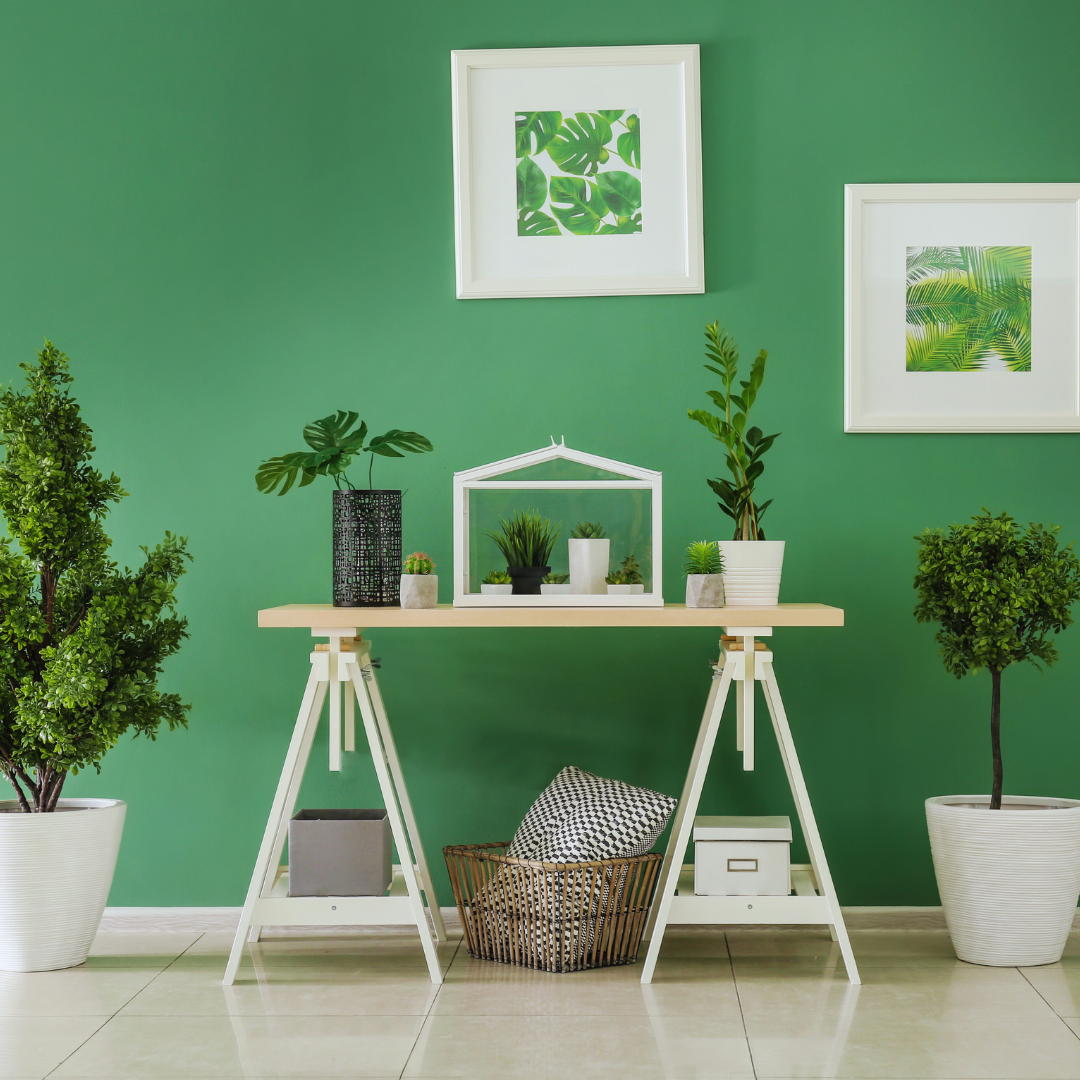
The environment has a profound impact on mood, influencing emotional states and overall well-being. Research shows that natural settings can elevate mood and reduce stress, while urban areas may contribute to feelings of anxiety. This relationship between surroundings and emotions invites further exploration into how different environments affect psychological health.
Individuals often experience changes in mood that correlate with their immediate environment. For instance, exposure to sunlight can boost serotonin levels, enhancing feelings of happiness. Conversely, cluttered and chaotic spaces can lead to feelings of discomfort and irritability.
Understanding this connection can help individuals make informed choices about their environments to foster better mental health. By being mindful of the places they inhabit, they can create spaces that contribute positively to their emotional well-being.
How the Environment Shapes Mood and Emotional Well-Being
The environment significantly influences mood and emotional well-being. Various factors, including light, noise, color, air quality, and organization, play a critical role in shaping how individuals feel and function.
The Science Behind Environmental Influences on Emotions
Research indicates that environmental factors can directly affect brain function and emotional responses. For instance, studies have shown that exposure to nature can lead to lower stress levels and improved mood. The presence of green spaces is linked to reduced anxiety and a sense of calm.
Similarly, environments that are chaotic or uncomfortable can lead to heightened feelings of irritability or stress. Neurobiological pathways explain these phenomena, illustrating how sensory inputs from the environment can influence emotional states.
Key Environmental Factors: Light, Noise, Color, and Air Quality
Several specific environmental factors significantly impact emotional well-being.
- Light: Natural light, in particular, boosts serotonin levels, improving mood and overall emotional health. Insufficient light exposure can lead to Seasonal Affective Disorder (SAD).
- Noise: High noise levels can increase anxiety and disrupt concentration. Conversely, soothing sounds can promote relaxation.
- Color: Colors can evoke specific emotions; for example, blue is often associated with tranquility, while red can stimulate excitement or even aggression.
- Air Quality: Poor air quality can lead to fatigue and irritation, negatively affecting mood and cognitive performance.
The Impact of Organization and Clutter on Mental State
The organizational level of a space significantly affects mental clarity and emotional stability. Clutter can lead to feelings of overwhelm and distraction.
A tidy, well-organized environment promotes focus and a sense of control. Studies have shown that people in organized spaces report higher satisfaction and lower stress levels.
Individuals are better able to process information and engage in tasks when their surroundings are orderly, contributing to enhanced psychological well-being.
Environmental Effects on Motivation and Productivity
The environment can greatly influence motivation and productivity levels. Well-designed spaces with adequate lighting and minimal distractions encourage productivity.
Incorporating elements like plants and artwork can inspire creativity and drive.
Conversely, dull, cluttered, or poorly lit environments may lead to decreased motivation. Engaging spaces foster a positive mindset, allowing individuals to thrive mentally and emotionally, thus enhancing overall well-being.
Nature, Greenery, and Their Role in Mental Health
Engagement with nature and exposure to greenery play significant roles in enhancing mental health. Various studies show that access to plants and natural environments positively influences emotional well-being, stress levels, and cognitive functioning.
The Benefits of Green Spaces and Plants
Green spaces contribute to improved mental health by providing a calming and restorative environment. Access to parks and gardens allows individuals to connect with nature, which can elevate mood and foster relaxation.
Plants in indoor spaces also enhance well-being. Studies have demonstrated that the presence of plants can increase feelings of happiness and reduce feelings of anxiety. Simple acts like caring for plants can offer a sense of accomplishment and connection.
How Exposure to Nature Reduces Stress and Anxiety
Exposure to nature has been linked to lower levels of cortisol, the body’s primary stress hormone. Activities such as walking in a forest or spending time in a garden have been shown to induce relaxation responses.
Furthermore, natural settings can distract individuals from daily stressors. The sights and sounds of nature promote mindfulness, allowing for a break from persistent worries. People often report feeling revitalized after time spent outdoors.
Nature’s Influence on Cognitive Function and Relaxation
Natural environments can enhance cognitive functions such as attention, memory, and problem-solving skills. Being surrounded by greenery not only boosts focus but also improves creativity.
Relaxation is another crucial benefit of nature exposure. Studies indicate that individuals who engage in outdoor activities experience lower levels of fatigue and improved mood. Simple activities in nature, such as walking or gardening, can significantly enhance overall well-being.
Designing Environments for Emotional Resilience and Stability
Creating environments that promote emotional resilience requires careful consideration of both physical design and psychological factors. Attention to specific elements can help mitigate environmental stressors and enhance emotional stability.
Principles of Supportive Built Environments
Supportive built environments should prioritize natural light, green spaces, and ventilation. These elements are linked to positive mood enhancement and mental health benefits. Additionally, incorporating flexible layouts allows individuals to personalize spaces to their needs, fostering a sense of control.
Organization and decluttering are essential. A tidy environment reduces anxiety and improves focus. The use of calming colors such as blues and greens can create a soothing atmosphere. Including spaces for privacy and social interaction supports varied emotional needs and encourages resilience.
Leveraging Mindfulness, Routine, and Exercise
Integrating mindfulness practices within spaces can significantly enhance emotional stability. Designating quiet areas for meditation or relaxation promotes emotional awareness and stress reduction. Routine activities, such as scheduled breaks, can help establish a sense of normalcy amidst life’s challenges.
Incorporating areas for exercise encourages physical activity, which is closely tied to improved mood and reduced stress. Access to outdoor areas for walking or physical activities can be beneficial. A balanced routine, supported by the environment, aids individuals in managing daily stressors effectively.
Personalizing Spaces for Emotional Support
Personalization is crucial for emotional support in a built environment. Allowing individuals to choose decor and layout enhances their connection to space, boosting feelings of safety and belonging. Incorporating personal items, like photographs or artwork, can evoke positive memories and emotions.
Flexible furniture arrangements can cater to different activities and moods, making spaces more adaptable. Furthermore, providing opportunities for individuals to modify colors, scents, and sounds creates a responsive environment. These tailored experiences contribute to emotional resilience and stability, enabling individuals to thrive.
Social and Digital Environment Influences on Mood
The social and digital environments play a significant role in shaping an individual’s mood and overall mental health. Strong social connections can enhance well-being, while social media presents unique challenges that can affect emotional states.
The Importance of Social Connections for Psychological Health
Social connections are vital for psychological health. They provide emotional support, reduce feelings of loneliness, and foster a sense of belonging. Studies indicate that individuals with strong social relationships experience better mental health outcomes.
Examples of support include:
- Emotional support: Friends and family can help process feelings and provide reassurance.
- Practical support: Assistance with tasks can ease stress.
- Informational support: Sharing experiences fosters coping strategies.
Weak connections may lead to increased anxiety and depression. Maintaining these relationships is crucial for emotional stability. Engaging in community activities and seeking opportunities to connect can bolster mental well-being.
Navigating Social Media and Its Emotional Impact
Social media significantly impacts mood, both positively and negatively. On one hand, it provides a platform for connection and self-expression. On the other hand, it can lead to feelings of inadequacy and anxiety.
Key points regarding social media impact include:
- Comparison: Regular exposure to curated lives can distort self-image.
- Validation: Likes and comments may influence self-worth, creating dependence on online feedback.
- Isolation: Excessive use can replace face-to-face interactions, increasing loneliness.
Balancing online engagement with real-life social interactions is essential. Setting limits on social media use can mitigate adverse effects on mental health. Mindful consumption of digital content is crucial for maintaining emotional well-being.
Leave a Reply