

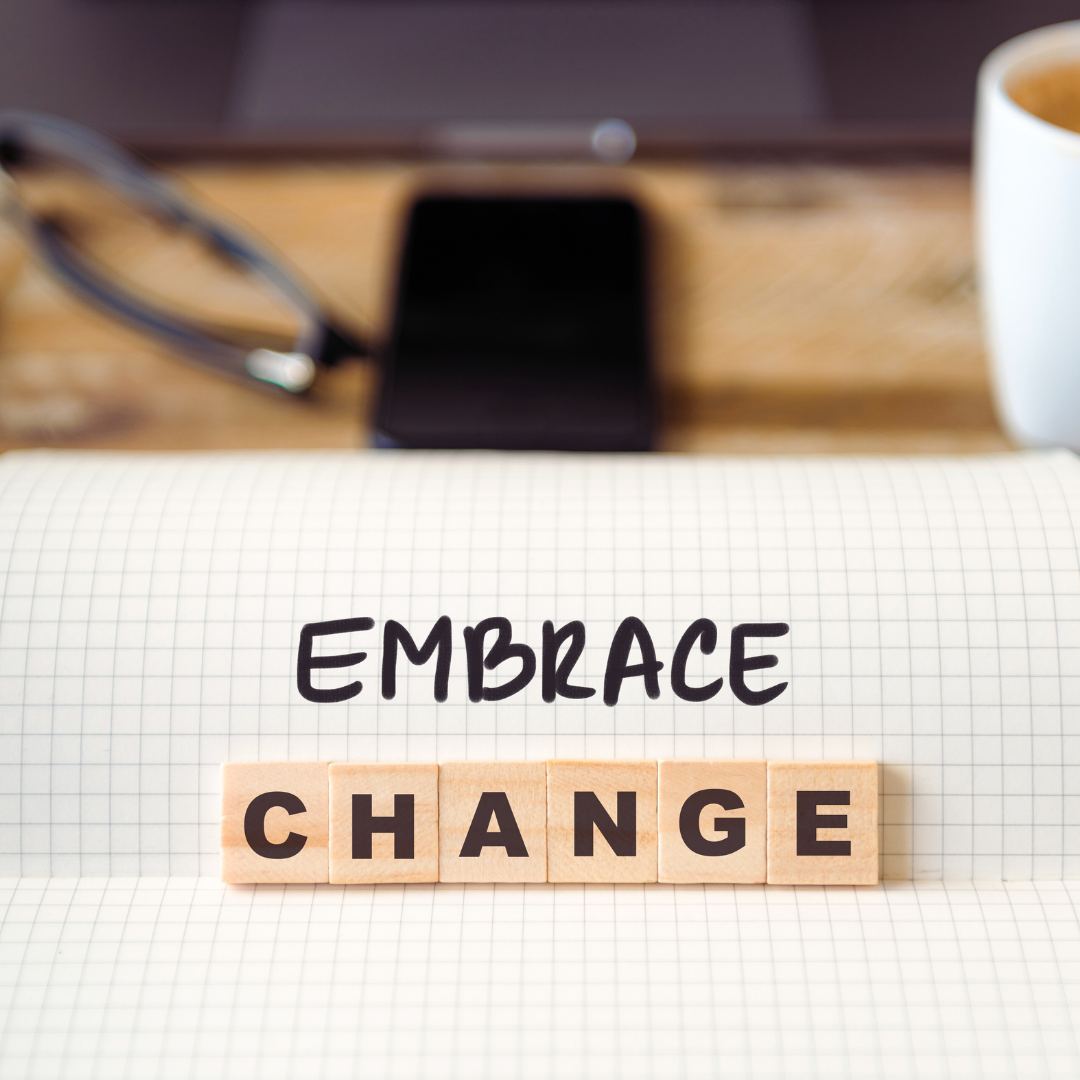
Embracing change is a crucial skill in today’s fast-paced world. It enables individuals to adapt, grow, and thrive in the face of new challenges. To effectively embrace change, one must cultivate a growth mindset that views change as an opportunity rather than a setback.
Adaptability is key; those who welcome new experiences often find themselves better equipped to navigate uncertainties. This proactive approach not only enhances personal development but also creates pathways to success in various aspects of life. By understanding the dynamics of change, individuals can transform obstacles into stepping stones for achievement.
Recognizing that change is a constant factor allows individuals to shift their perspective and harness its potential. This mindset fosters resilience and opens doors to innovation, ultimately leading to greater fulfillment and accomplishment.
Understanding Change
Change is an inherent part of life that can invoke various emotional responses. Acknowledging the psychological aspects and stages of accepting change can empower individuals to navigate transitions more effectively.
The Psychology of Change
The psychology behind change involves several critical elements. Mindset plays a significant role; a positive mindset can ease the transition, while a negative one can amplify fear of change and resistance.
Fear often arises from uncertainty about the future. It can manifest as anxiety, leading to stress that impedes decision-making. Recognizing these emotions is crucial.
Effective coping strategies include reframing thoughts and focusing on potential benefits. Visualization techniques can help individuals envisage successful outcomes, reducing the psychological barriers associated with change.
Stages of Accepting Change
Accepting change typically unfolds in stages. Initially, individuals may experience denial, rejecting the reality of the situation. This stage may be characterized by disbelief or avoidance.
As they begin to acknowledge change, they may enter the anger phase. Frustration often stems from feelings of loss or disruption.
Next comes bargaining, where they might seek ways to minimize the impact of changes. Gradually, individuals may reach acceptance, embracing the new circumstances.
It’s essential to note that these stages are not linear. Many may cycle back to earlier stages, especially if faced with unexpected challenges. Understanding this process can help individuals manage their emotional responses effectively.
Developing a Growth Mindset
A growth mindset encourages individuals to view challenges as opportunities for personal development. By embracing novelty, building resilience, and cultivating curiosity, a person can significantly enhance their ability to adapt to change.
Embracing Novelty and Challenges
Embracing novelty means stepping outside of the comfort zone. Individuals who actively seek new experiences and challenges expand their horizons and enhance their skill sets.
Setting small, achievable goals can lead to greater motivation. This method encourages stepping into unfamiliar territories without overwhelming oneself.
By engaging with new tasks, individuals develop a positive mindset that reinforces their abilities. Regularly taking calculated risks fosters confidence, making it easier to tackle future challenges.
Building Resilience
Resilience is essential for navigating change. It involves the ability to recover from setbacks and maintain focus on goals.
Practicing self-compassion allows individuals to treat themselves kindly when facing difficulties. This approach leads to healthier coping mechanisms.
Strategically adopting affirmations can also strengthen resilience. Daily reminders of personal strengths help maintain motivation during challenging times.
Additionally, learning from failures rather than viewing them negatively promotes growth. A resilient individual learns to move forward, acquiring new strategies for success.
Cultivating Curiosity
Curiosity drives a desire for knowledge and understanding. When individuals maintain a curious mindset, they engage more deeply with their environment and experiences.
Asking questions and seeking answers broadens perspectives. This practice encourages continuous learning, which is vital for a growth mindset.
Openness to new ideas also fosters innovation. Individuals who welcome diverse viewpoints can better adapt to change while enhancing creativity in problem-solving.
Participating in new activities, joining discussion groups, or exploring unfamiliar hobbies can stimulate curiosity. This engagement leads to a richer, more fulfilling life experience.
Strategies for Embracing Change
Embracing change requires intentional actions and a proactive mindset. Key strategies include stepping out of comfort zones, creating actionable plans, and practicing mindfulness to enhance adaptability.
Stepping Out of Your Comfort Zone
Stepping out of one’s comfort zone is essential for personal development. This process often involves facing fears and trying new experiences. Simple methods include setting small challenges, such as starting a new hobby or engaging in unfamiliar social situations.
Building resilience can result from consistent exposure to discomfort. Over time, this practice encourages individuals to accept change as a part of life rather than a threat. By shifting perspectives, they can recognize opportunities for growth in challenging situations.
Creating an Action Plan
An action plan provides a structured approach to managing change. This plan can include specific goals, timelines, and achievable milestones. Breaking down larger goals into smaller, actionable steps promotes a sense of accomplishment and clarity.
To create a successful action plan, one should identify the desired outcome and outline necessary actions. Regularly reviewing and adjusting this plan fosters adaptability, allowing individuals to respond effectively to unforeseen challenges.
Including metrics for tracking progress can enhance motivation and accountability. Staying flexible is key, as change often requires the realignment of plans to remain relevant and effective.
Practicing Mindfulness and Adaptation
Mindfulness plays a critical role in embracing change. It allows individuals to remain present and aware of their thoughts and feelings, fostering an environment of acceptance. Techniques such as meditation or deep-breathing exercises can help cultivate this mindfulness.
Adapting to change also involves letting go of outdated beliefs or habits that no longer serve a purpose. This practice encourages individuals to embrace new ideas and possibilities.
By acknowledging feelings without judgment, they can navigate transitions more smoothly. This focus on awareness and acceptance promotes a proactive approach to change, resulting in positive outcomes.
Moving Forward with Change
Embracing change requires a proactive approach to maintaining motivation, fostering opportunities for growth, and committing to lifelong learning. Each element plays a vital role in transforming challenges into stepping stones for personal development.
Maintaining Motivation and Accountability
Staying motivated during periods of change can be challenging. Establishing specific goals is crucial. They should be measurable and time-bound. Writing these goals down and regularly reviewing them keeps progress visible.
An accountability partner can provide support and encouragement during this time. Regular check-ins with this partner reinforce commitment. They can offer constructive feedback and celebrate milestones, which boosts morale.
Incorporating rewards for achieving specific milestones can enhance motivation. These can be small, such as a favorite treat, or larger, like a weekend getaway. Recognizing efforts builds a positive feedback loop.
Opportunities for Personal Growth
Change often presents opportunities that may not be apparent at first. When faced with new situations, individuals can develop skills that were previously untapped. This can lead to a greater sense of self-efficacy.
Participating in workshops or courses can help harness these opportunities. Focus on areas of interest or career relevance. Networking in these contexts can also lead to valuable connections and insights.
Engaging in different experiences, whether through travel or community service, broadens perspectives. Such opportunities can stimulate personal growth, enhancing adaptability and resilience in the face of future changes.
Transformation through Continuous Learning
Continuous learning is essential for making the most of change. Adopting a growth mindset enables individuals to view challenges as opportunities to expand knowledge.
Online courses, podcasts, and books can serve as resources for ongoing education. Consistent learning keeps skills sharp and encourages innovation. Tracking learning progress through journals or apps provides motivation.
Creating a structured learning plan can formalize this process. Set aside dedicated time weekly for learning activities. This commitment not only facilitates personal transformation but also prepares individuals for future changes.
Leave a Reply