

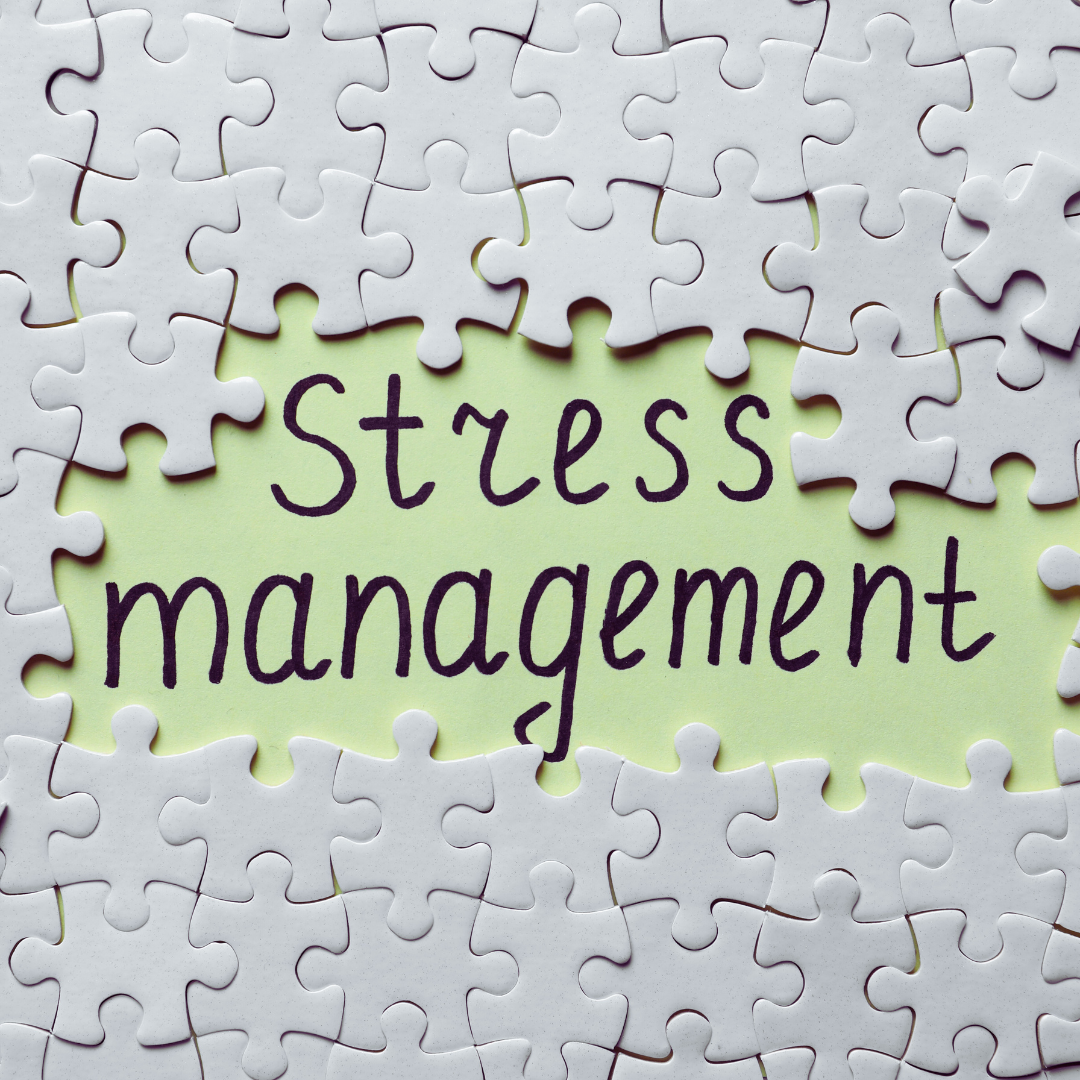
Stress can significantly impact mental health and well-being. Implementing effective stress management techniques can enhance one’s ability to cope with chronic stress and mitigate its adverse effects. Understanding how to manage stress effectively is crucial for maintaining a balanced life and promoting overall health.
People experience a variety of stress responses that can affect both emotional and physical health. By recognizing the signs of stress and addressing them with practical techniques, individuals can improve their resilience and reduce feelings of overwhelm. This blog post will explore various strategies that can lead to better stress management and improved mental health.
From mindfulness practices to physical exercise, a range of methods can be employed to alleviate stress. Each individual may respond differently to these techniques, making it essential to find personalized approaches that resonate. By prioritizing stress management, individuals can foster a healthier lifestyle and ensure their mental well-being remains intact.
Understanding Stress
Stress is a complex response that can significantly impact both mental and physical health. Recognizing the science behind stress, identifying stressors, and understanding the effects on health are vital for effective stress management.
The Science of Stress
Stress triggers a physiological response known as the stress response. This involves the release of hormones such as adrenaline and cortisol. These hormones prepare the body to handle challenges by increasing heart rate and energy supplies.
While short-term stress can enhance performance, chronic stress can lead to serious health problems. Prolonged exposure to stress hormones can impair the immune system, disrupt sleep, and contribute to anxiety disorders. Balancing stress responses is crucial to overall well-being and requires understanding when stress becomes harmful.
Identifying Stressors
Stressors can come from various sources, including workloads, relationships, and personal expectations. They can be classified into two categories: acute stressors, which are short-term, and chronic stressors, which persist for longer periods.
Common stress triggers include deadlines, financial issues, and interpersonal conflicts. Recognizing these stressors allows individuals to develop coping strategies. It’s essential to monitor emotional responses to stressors to understand triggers better and manage them effectively.
Effects on Health
The impact of stress on health can be profound. Chronic stress is linked to conditions such as heart disease, obesity, and anxiety. It can disrupt normal bodily functions, leading to increased blood pressure and a weakened immune response.
Moreover, stress affects mental health, potentially leading to issues like depression or anxiety. Maintaining a healthy diet, regular exercise, and sufficient sleep can counteract these effects. Prioritizing mental health through relaxation techniques and support can foster resilience against stress.
Proactive Stress Management Techniques
Proactive approaches to managing stress can enhance resilience and improve overall well-being. Implementing specific cognitive and behavioral strategies can help individuals better cope with stress before it escalates.
Cognitive Strategies
Cognitive strategies focus on altering one’s thought patterns to reduce stress. Positive self-talk can replace negative thoughts, fostering a more optimistic outlook. Implementing mindfulness meditation helps individuals stay present, reducing anxiety linked to future worries.
Cognitive Behavioral Therapy (CBT) techniques can also be effective. By identifying distorted thinking patterns, individuals can reframe their thoughts, which can lead to improved emotional responses. Additionally, practicing gratitude can shift focus from stressors to positive aspects of life, enhancing overall emotional resilience.
Behavioral Approaches
Behavioral strategies involve actions that promote stress relief. Exercise is a particularly effective method, releasing endorphins that improve mood and reduce stress. Regular physical activity can also enhance sleep quality, which is vital for stress management.
Incorporating leisure activities into daily routines provides necessary breaks from stressors. Engaging in hobbies can create joy and relaxation. Social support is also crucial; maintaining connections with friends and family can provide emotional comfort and practical assistance when stress arises. Prioritizing a healthy diet contributes to physical well-being, further supporting mental health resilience.
Relaxation Techniques for Immediate Relief
Effective relaxation techniques can provide immediate stress relief and enhance overall well-being. Approaches such as breathing exercises and physical practices can be easily integrated into daily routines, allowing for quick recovery from stressful situations.
Breathing and Meditation
Deep breathing exercises play a crucial role in stress management. When practiced, they activate the relaxation response, calming the mind and body. A simple technique involves inhaling deeply through the nose for a count of four, holding for seven, and exhaling slowly through the mouth for eight. This can be repeated several times.
Meditation, particularly mindfulness meditation, encourages individuals to focus on the present moment. Techniques such as guided imagery can help redirect thoughts and reduce anxiety. Participants visualize calming scenes, which can lower heart rate and promote relaxation. Incorporating these practices for just 10-15 minutes can yield noticeable stress relief.
Physical Practices
Engaging in physical activities like yoga and walking can significantly reduce stress levels. Yoga combines movement with breath control, helping to ease tension in the body. A few simple poses—such as Child’s Pose or Downward Dog—can foster relaxation and improve mental clarity.
Progressive muscle relaxation is another effective method. This technique involves tensing and then relaxing each muscle group, starting from the toes and moving up to the head. This approach not only relieves physical tension but also promotes a sense of calm. Regular participation in such activities contributes to long-term stress reduction and overall health.
Creating a Stress-Resistant Lifestyle
Establishing a lifestyle that effectively reduces stress involves several key components. Focused attention on nutrition, social connections, and daily habits can create a robust foundation for resilience and emotional well-being.
Nutrition and Diet
A balanced diet significantly impacts stress levels. Consuming a variety of fruits, vegetables, whole grains, and lean proteins is essential. These foods provide the necessary nutrients that support brain function and emotional health.
Key Elements:
- Healthy Fats: Include omega-3 fatty acids found in fish, walnuts, and flaxseeds. They help reduce anxiety and improve mood.
- Limit Caffeine and Alcohol: Excessive intake can lead to increased stress and anxiety. Moderation is essential.
- Hydration: Providing the body with enough water aids in concentration and regulating mood.
Mindful eating can foster a healthier relationship with food. Engaging in gratitude for meals can also enhance enjoyment and satisfaction.
Building a Support Network
Strong social connections act as a buffer against stress. Having supportive relationships enables individuals to share emotions and receive encouragement during tough times.
Strategies for Connection:
- Quality Over Quantity: Develop deep relationships rather than numerous superficial ones.
- Community Involvement: Engage in local activities or groups to cultivate a sense of belonging.
- Effective Communication: Open and honest communication strengthens ties and reduces misunderstandings.
Those who participate in social activities tend to experience lower levels of stress. Mutual support within a community fosters resilience and well-being.
Lifestyle Habits
Daily habits and routines greatly influence stress management. Incorporating physical activity, leisure, and mindfulness practices can significantly enhance one’s ability to cope.
Healthy Habits:
- Regular Exercise: Aim for at least 150 minutes of moderate aerobic activity per week. This releases endorphins that elevate mood.
- Adequate Sleep: Prioritize 7-9 hours of quality sleep to improve cognitive function and emotional regulation.
- Mindfulness Practices: Techniques such as meditation or yoga promote relaxation and enhance emotional awareness.
Incorporating creativity and play into routines can also serve as effective stress relievers. These activities encourage joy and provide a necessary break from daily demands.
Leave a Reply