

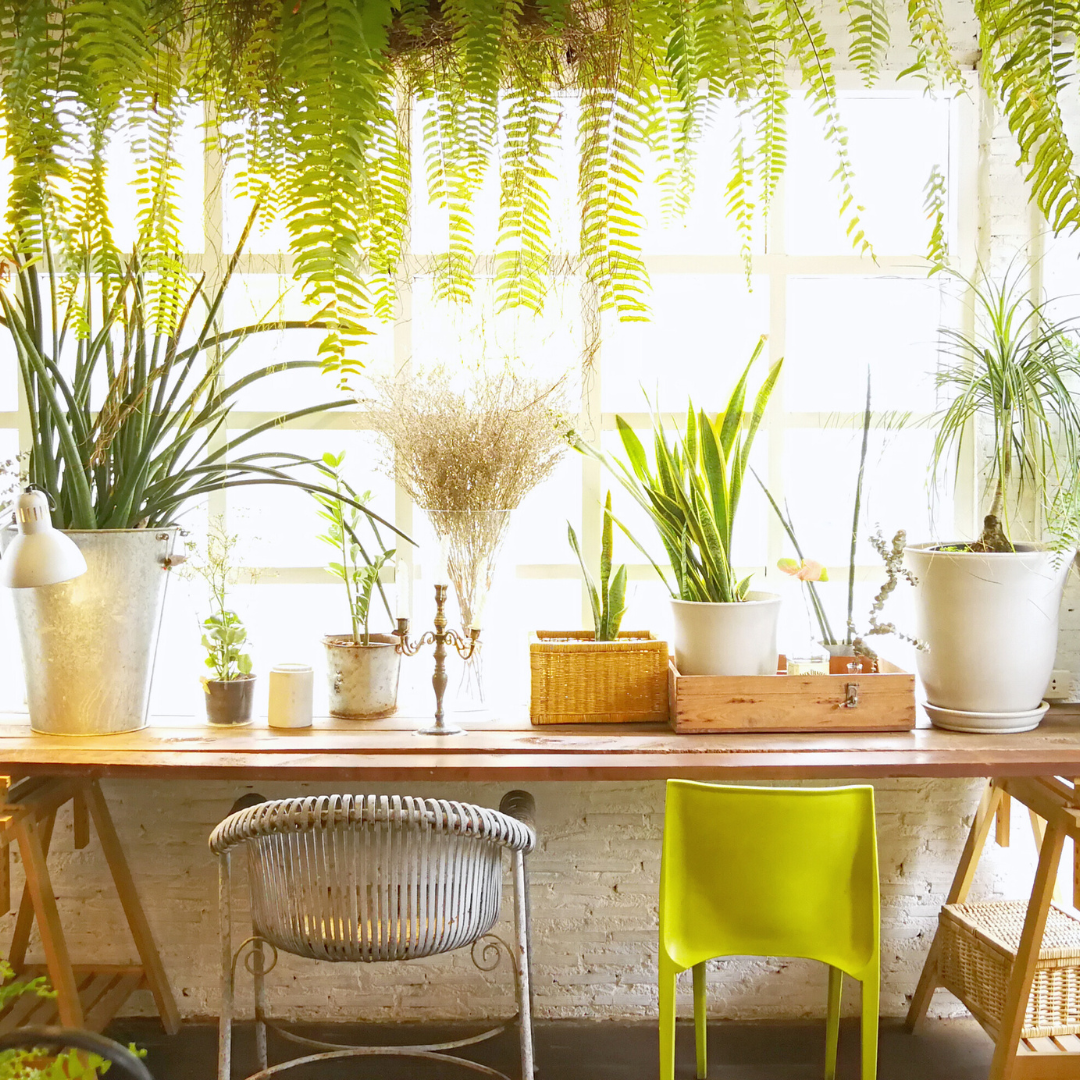
Starting an indoor garden can be a rewarding venture for anyone interested in gardening for beginners. To successfully grow plants indoors, it is essential to consider factors like light, space, and plant selection. With the right approach, anyone can create a thriving indoor garden that beautifies their living space and provides fresh herbs or vegetables.
Understanding the growing environment is crucial. Many indoor plants thrive in various light conditions, from bright sunny spots to low-light corners. Selecting the right plants based on available light and space enhances the chances of success and satisfaction with the gardening experience.
Maintaining an indoor garden requires regular attention to watering, feeding, and pest management. The right amount of water and nutrients is essential for their growth and vitality. Additionally, removing pests with the help of natural spider repellent, or similar solutions, can be important to keep an indoor garden free from pests. Proper care could lead to not only a lush garden but also improved air quality and well-being. With a little knowledge and commitment, anyone can turn their indoor space into a vibrant green retreat.
Planning Your Indoor Garden
Creating a successful indoor garden requires careful thought about plant selection and understanding sunlight needs. These considerations will shape the indoor gardening experience and influence plant health and growth.
Selecting the Right Plants
Choosing the right plants is crucial for indoor gardening success. Not all plants thrive indoors, so selecting suitable varieties is key. Houseplants, herbs, and vegetables can create a diverse indoor space.
Best Plant Varieties:
- Houseplants: Consider pothos, snake plants, or spider plants for low maintenance.
- Herbs: Basil, mint, and parsley are great options for culinary use.
- Vegetable Plants: Leafy greens like lettuce and kale perform well in indoor settings.
It’s important to assess the available gardening space. Some plants may require more room to grow, while others are compact and suitable for small spaces.
Understanding Sunlight Requirements
Light is essential for plant growth, making it a critical factor in indoor gardening. Most indoor plants prefer bright, indirect sunlight, while some herbs and vegetables can tolerate lower light levels.
Light Considerations:
- Low Light: Consider plants like ZZ plants and ferns.
- Moderate to Bright Light: Succulents and many herbs thrive in these conditions.
Placement is vital. Sheer curtains can diffuse direct sunlight and prevent leaf burn. Using grow lights can also supplement natural light, helping plants flourish in less-than-ideal sunlight conditions.
By ensuring proper planning in plant selection and light management, a thriving indoor garden can be established.
Setting Up Your Garden Infrastructure
Establishing a solid foundation for an indoor garden involves careful selection of containers, effective lighting solutions, and ensuring appropriate drainage and humidity levels. These elements work together to create an environment conducive to healthy plant growth.
Choosing the Best Containers
Selecting the right containers is crucial for any indoor garden. It is important to choose pots that are suitable for the size and type of plants. Common choices include clay pots, plastic pots, and fabric grow bags.
Factors to consider:
- Size: Ensure containers provide enough space for roots to grow.
- Material: Clay pots allow for better airflow, while plastic pots retain moisture longer.
- Style: Consider matching containers to the decor of the space.
Using potting soil or a quality potting mix ensures plants receive the essential nutrients they need. Ensure the soil is tailored to the specific plants being grown, as some may require specific mixes.
Optimizing Lighting for Plant Growth
Proper lighting is essential for indoor gardening. Plants require either natural light or artificial lighting to photosynthesize effectively.
Lighting options include:
- Natural light: Place plants near windows that receive ample sunlight.
- Grow lights: These are beneficial for areas lacking in natural light.
When choosing grow lights, look for full-spectrum LEDs that mimic sunlight. The ideal lighting conditions usually require 12-16 hours of light daily. Regularly adjust lighting based on plant growth stages to maximize health and yield.
Ensuring Adequate Drainage and Humidity
Drainage prevents waterlogged soil, which can lead to root rot. Containers should have drainage holes at the bottom to allow excess water to escape.
To maintain proper humidity levels:
- Use a humidity tray: This can help increase moisture in the air around plants.
- Monitor humidity: Aim for levels between 40-60% for most indoor plants.
Grouping plants together can increase humidity through transpiration. An indoor hygrometer can help monitor conditions, allowing adjustments as needed to keep plants thriving.
Plant Nurturing and Maintenance
Successful indoor gardening requires attentive care from watering techniques to pest management. This section covers essential practices for maintaining healthy plants, ensuring they thrive in their indoor environment.
Watering Techniques and Tips
Proper watering is crucial for plant health. Indoor plants generally prefer the soil to dry out slightly between watering sessions. It’s advisable to check the top inch of the soil; if it feels dry, it’s time to water.
Tips:
- Use room temperature water to avoid shocking the plants.
- Water in the morning to allow moisture to be absorbed throughout the day.
- Consider using a moisture meter for accurate readings.
Different plants have varying water needs. For example, fresh herbs like basil prefer slightly moist soil, while succulents thrive in dry conditions. Overwatering can lead to root rot, so understanding each plant’s requirements is vital.
Feeding Your Plants: Nutrients and Fertilizers
Nutrients are essential for healthy growth. Indoor gardens often benefit from periodic fertilization to replenish the nutrients in the soil.
Types of Fertilizers:
- Liquid Fertilizers: Quick release and easily absorbed.
- Slow-Release Fertilizers: Gradually provide nutrients over time.
Plants typically need nitrogen, phosphorus, and potassium, which can often be found in balanced fertilizers. Fresh herbs might benefit from high-nitrogen fertilizers, while flowering plants may require phosphorus to promote blooms.
Fertilization schedules vary; it’s usually recommended to feed every 4-6 weeks during the growing season. Always follow the package instructions to avoid over-fertilizing.
Managing Pests and Diseases
Indoor gardening can encounter pests like aphids, spider mites, or whiteflies. Regular inspections help identify issues before they escalate.
Preventative Measures:
- Keep plants clean by gently wiping leaves with a damp cloth.
- Use insecticidal soap or neem oil as a treatment for pests.
Humidity levels also play a critical role in disease prevention. Many indoor plants thrive in humid environments, so using a humidifier may be beneficial, especially during dry seasons. However, for a persistent pest issue, consulting with experts like James River Pest Solutions, or similar others, can be beneficial to get the right treatment that can be personalized to your indoor garden’s needs. These professionals can offer more information into preventing further issues, and ensuring your plant remains healthy.
However, excessive moisture can also create other health hazards, such as encouraging mold growth. The mold may start growing on and around the plants, but it can also spread to the walls and other areas of the house. For residents dealing with such mold issues, especially in plant-heavy environments, seeking professional help for Mold Removal in Sterling, VA (or elsewhere) can protect both the plants and the living space.
Moreover, avoiding overcrowding helps improve air circulation, minimizing fungal growth and disease spread. Prompt action is crucial to maintaining a healthy indoor garden.
Advanced Techniques and Tips
Indoor gardening can be further enhanced through specialized methods. Techniques such as hydroponics, seed starting, and the use of smart garden technologies can elevate the gardening experience and improve plant yields.
Exploring Hydroponics
Hydroponics is a method of growing plants without soil, using nutrient-rich water. This technique allows for precise control over nutrients and growing conditions, resulting in faster growth and potentially higher yields.
Popular hydroponic systems include:
- Nutrient Film Technique (NFT): A thin film of nutrient solution continuously flows over the roots.
- Deep Water Culture (DWC): Plants are suspended in a solution with their roots submerged in oxygenated nutrient water.
Using LED grow lights can optimize light conditions for various growth stages. Additionally, maintaining proper carbon dioxide levels is critical for plant health in hydroponic systems.
Growing From Seed
Starting plants from seeds requires attention to detail, but it can be rewarding. Choosing the right growing medium is essential, as it should provide adequate drainage and aeration while holding moisture.
Important steps include:
- Seed Selection: Opt for seeds that are well-suited for indoor conditions, such as microgreens or herbs.
- Temperature Control: Seeds generally require warmth to germinate, so maintaining a consistent temperature is key.
Using a self-watering system can help regulate moisture levels, reducing the risk of over- or under-watering. Moreover, monitoring light exposure ensures seedlings receive the proper amount of light energy for strong growth.
Incorporating Smart Garden Technology
Smart garden technology can simplify indoor gardening by automating care routines. These systems often include features such as:
- Automated Watering: Sensors can determine when to water plants, ensuring they receive optimal moisture.
- Grow Light Timers: Programmable timers for LED grow lights help simulate natural daylight cycles.
Many smart gardening systems also monitor environmental conditions such as humidity and temperature. This data can aid in adjusting care strategies for optimal plant health. By incorporating technology, gardeners can reduce their workload while maximizing plant growth and health.
To ensure the entire smart garden system is installed effectively, professional assistance may be necessary, especially when dealing with electrical components or intricate setups. Also, trusted electrician services Atascadero CA, or elsewhere, are often equipped with the expertise to handle these installations properly. They can ensure everything is wired correctly and operates smoothly, reducing the risk of issues down the line.
Thus, regardless of experience, starting and maintaining an indoor garden can be a fulfilling and enjoyable endeavor for anyone. With proper planning, such as selecting the best plants, understanding their light requirements, and setting up the right containers and lighting, an indoor garden can flourish. Regular care, including watering, feeding, and pest management, is essential for long-term success.
Whether using traditional methods or exploring advanced techniques like hydroponics or smart garden technology, the rewards are worth the effort. By creating a space filled with fresh herbs, vegetables, or simply beautiful plants, an indoor garden can enhance the living environment and contribute to a healthier, greener lifestyle.
Leave a Reply