

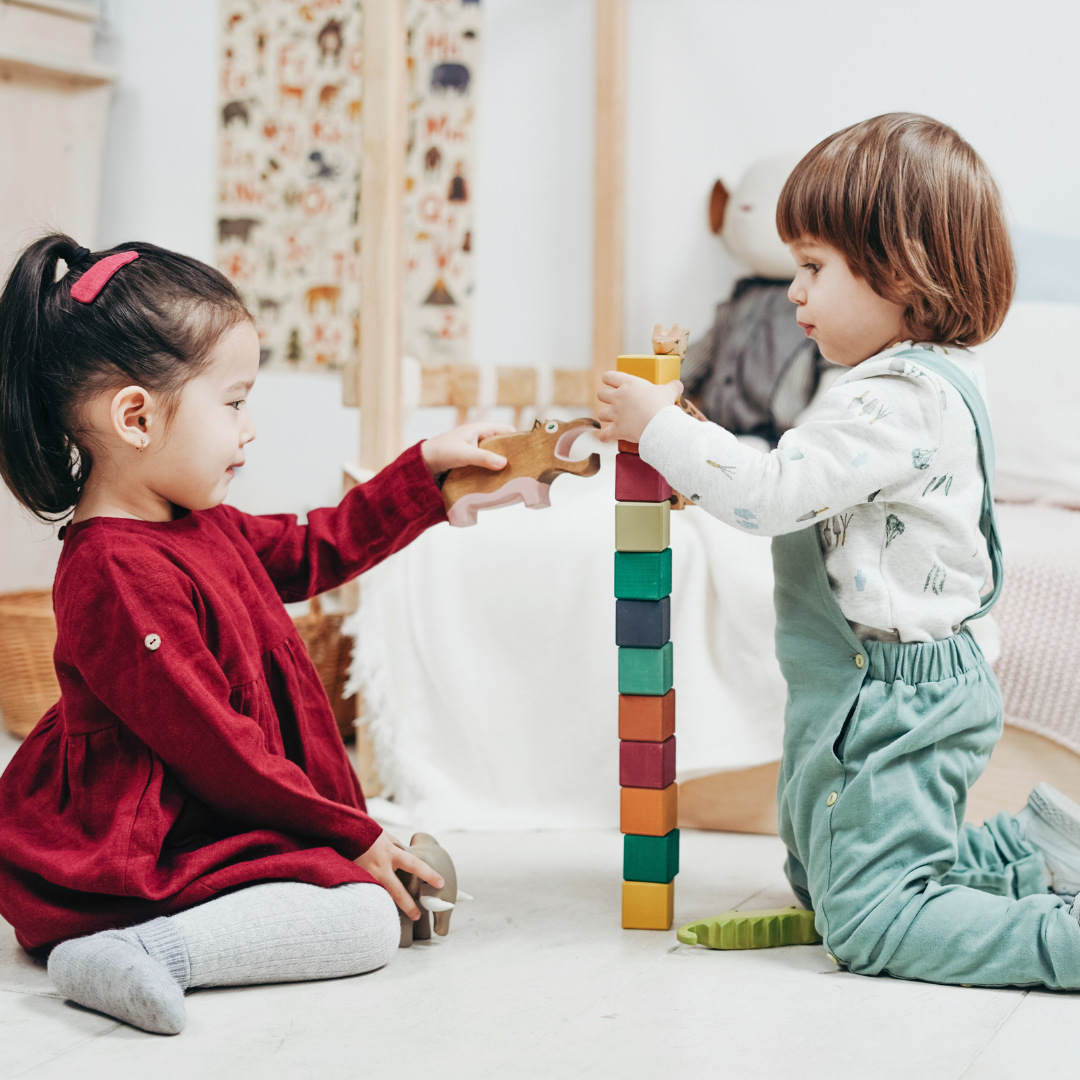
Play is often seen as just a pastime, yet it holds significant importance in fostering creativity. Engaging in playful activities encourages experimentation and exploration, allowing individuals to think outside the box. The freedom of play stimulates imaginative thought, which is fundamental for creative development.
Individuals of all ages benefit from play, as it nurtures problem-solving skills and innovation. Through play, they encounter challenges and learn to navigate them, honing their ability to generate unique ideas. This dynamic process is vital for anyone looking to enhance their creative capabilities.
Incorporating play into daily routines can boost creative thinking. Simple activities, whether they are games, artistic endeavors, or group exercises, provide an essential outlet for expression. Ultimately, it is through play that one can unlock the full potential of their creative mind.
The Psychology Behind Play and Creativity
Play significantly impacts various aspects of human development, particularly in cognitive and emotional domains. Its intrinsic link to creativity fosters an environment where learning and imagination flourish. Understanding these psychological aspects reveals how play nurtures creativity and enhances problem-solving skills.
Cognitive Development Through Play
Play serves as a powerful catalyst for cognitive development. Through activities such as role-playing and games, individuals enhance their problem-solving skills and creative thinking. Engaging in play requires active participation, leading to improved learning and comprehension.
In structured and unstructured play, individuals learn to experiment with new ideas and concepts. This experimentation is vital for fostering imagination and adaptability. Children, in particular, use play to understand the world, developing critical thinking and analytical skills that are essential later in life.
Emotional Development and Resilience
Emotional development is significantly influenced by play. Engaging in playful activities helps individuals express their feelings and navigate social situations. This expression builds stronger communication skills and fosters emotional intelligence.
Resilience is cultivated through playful challenges and interactions. As individuals encounter obstacles during play, they learn to cope and adapt. This process enhances their ability to manage stress and face setbacks, contributing to a stronger emotional foundation.
Enhancing Creativity with Playfulness
Playfulness directly correlates with increased creativity. When individuals engage in playful behavior, they let go of constraints and think outside the box. This freedom leads to innovative ideas and solutions to problems.
Activities that encourage improvisation and spontaneity promote a mindset conducive to creativity. In group settings, play stimulates collaboration, inspiring participants to share ideas and perspectives. This communal aspect of play further enriches the creative process and fosters a vibrant exchange of thoughts.
Through these psychological mechanisms, the interplay between play and creativity reveals its critical role in individual development and expression.
Types of Play and Their Role in Creativity
Different types of play significantly influence creativity by fostering imagination, curiosity, and divergent thinking. Both unstructured and structured play have unique benefits that contribute to the development of creative skills.
Unstructured Versus Structured Play
Unstructured play offers freedom and flexibility. In this environment, children can explore their imagination without constraints. It encourages curiosity and allows for spontaneous creation.
Examples of unstructured play include playing with blocks, drawing, or simply engaging with nature. These activities promote divergent thinking as children generate multiple ideas and solutions.
In contrast, structured play involves specific rules and objectives. While it can enhance focus and teach teamwork, it may limit the scope of creativity. Structured play, such as organized sports or board games, has benefits in fostering cooperation but can sometimes restrict imaginative exploration.
The Magic of Pretend Play and Storytelling
Pretend play is a powerful driver of creativity. Engaging in role-playing or scenarios allows individuals to experience different perspectives. This form of play invites imagination and leads to the creation of new ideas and narratives.
Storytelling enhances this by refining communication skills and encouraging creativity. It challenges individuals to construct cohesive narratives, fostering divergent thinking. Elements like character development and plot structure can promote innovation in problem-solving and artistic expression.
Both pretend play and storytelling cultivate a fertile ground for imagination. These activities engage emotional and cognitive functions, facilitating a deeper understanding of self and others while sparking creativity.
Balancing Playtime and Learning
A balanced approach between playtime and structured learning can significantly enhance child development. Both elements contribute to essential skills, fostering creativity and academic success. Understanding the right mix can support growth in various areas, including problem-solving, coordination, and social interactions.
Integrating Play into Education
Integrating play into educational settings can enhance engagement and learning. Activities such as role-playing or interactive games encourage children to explore concepts actively.
Structured play allows children to practice skills in a hands-on manner. This method promotes critical thinking and creativity while also reinforcing academic content.
Teachers can use play-based learning to address different learning styles. By offering varied activities, they can ensure that all students remain interested and invested.
The Impact of Play on Academic Success
Research supports that children who engage in regular play tend to perform better academically. Play stimulates cognitive development, enabling improved concentration and memory retention.
For instance, active play enhances coordination and physical skills, vital for overall learning. Through play, children also learn valuable social skills such as teamwork and communication.
Moreover, play fosters problem-solving abilities by encouraging children to navigate challenges creatively. The more they engage in play, the better they develop these essential capabilities.
Screen Time and Active Play
While screen time can be a useful educational tool, it’s crucial to balance it with active play. Research indicates that excessive screen time can hinder physical development and lead to decreased attention spans.
Active play promotes physical health and improves coordination. Skills developed during physical activities translate to better performance in academic tasks.
Parents should set limits on screen time to encourage children to engage in more active play. Creating a routine that incorporates both can lead to healthier lifestyles and enhanced learning outcomes.
Conclusion: Fostering a Playful Approach for Future Generations
Encouraging play is crucial for nurturing creativity in future generations. Play fosters independence, allowing children to explore and experiment freely. This freedom leads to new ideas and innovative thinking.
Relationships formed during play help develop empathy and social skills. Engaging with peers enhances communication and strengthens bonds, contributing to emotional well-being.
Play is inherently fun, stimulating joy and positivity. The release of endorphins during playful activities boosts mental health, reducing stress and anxiety. Healthy emotional states enhance overall productivity.
Incorporating both imaginative and free play in educational settings can cultivate critical thinking skills. Children learn to approach problems with creativity, experimenting with various solutions.
To equip future generations, communities must prioritize elements of play in childhood education. This focus not only prepares children for challenges but ensures their emotional and social development. Recognizing the benefits of play will help create a more creative, emotionally intelligent society.
Leave a Reply