

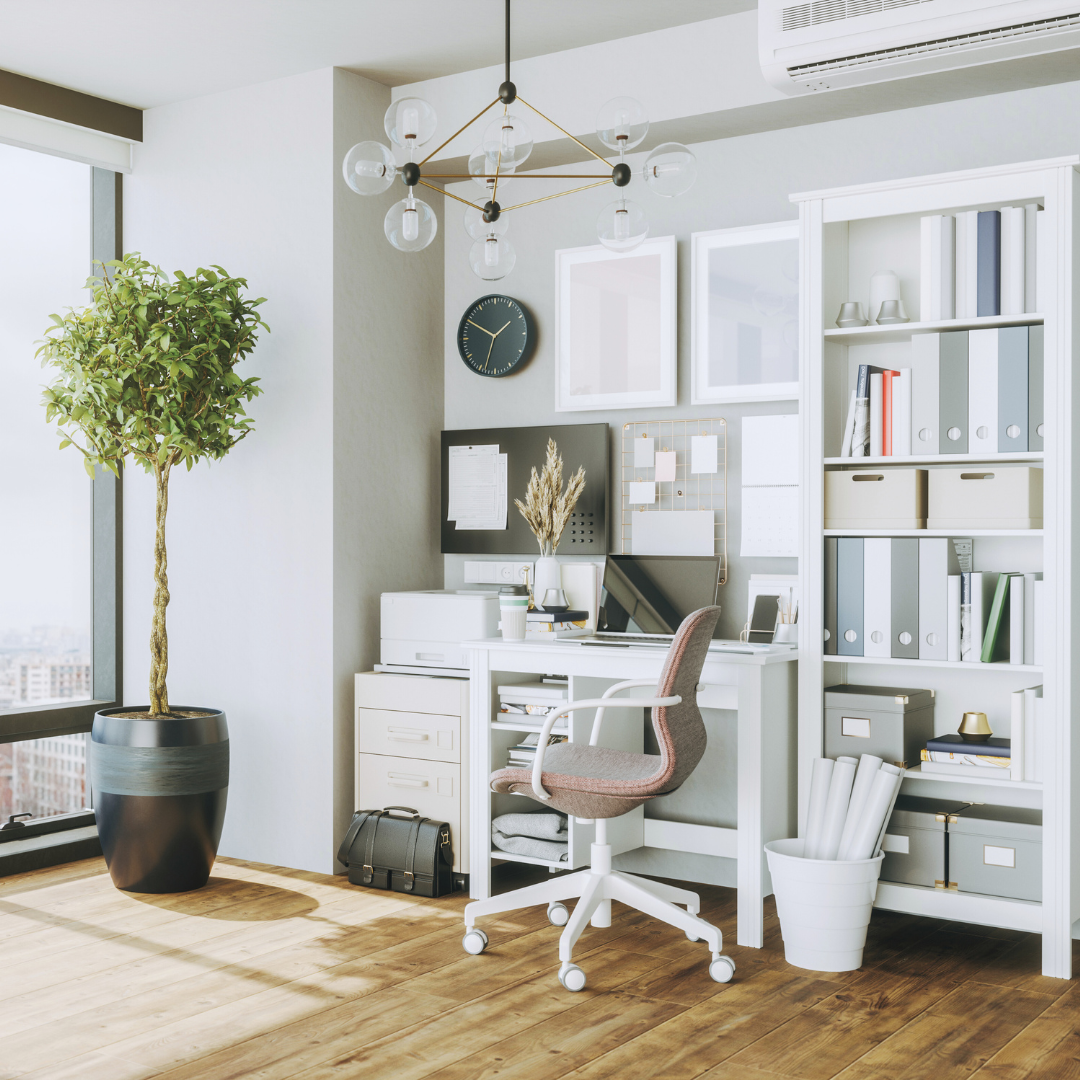
As many people continue to work from home, maintaining health can become a significant challenge. Creating a structured routine that balances work and wellness is essential for anyone adapting to remote work. The shift towards home-based employment after COVID-19 has blurred the lines between professional and personal spaces, making it easy to overlook health needs.
Incorporating regular physical activity into the daily routine can dramatically improve both physical and mental well-being. Simple actions, such as taking breaks to stretch or setting aside time for a workout, can enhance focus and reduce stress. Additionally, paying attention to nutrition and hydration plays a crucial role in sustaining energy levels throughout the workday.
Establishing a designated workspace also contributes to better health outcomes. When a specific area is set aside for work tasks, it becomes easier to mentally separate work from leisure, fostering a healthier work-life balance. By prioritizing these strategies, individuals can effectively stay healthy while navigating the demands of remote work.
Establishing a Healthy Work Routine
Creating a healthy work routine is essential for anyone working remotely. It significantly impacts productivity, work-life balance, and overall self-care. A well-structured routine can help ensure that work does not encroach on personal life while maintaining efficiency.
Create Consistent Schedules
To establish a healthy work routine, consistent scheduling is vital. Setting a daily schedule creates a sense of normalcy, contributing to enhanced focus and productivity.
Tips for Consistent Scheduling:
- Morning Routine: Start the day with a consistent morning routine to signal the beginning of the workday. This could include activities like exercise, reading, or enjoying breakfast.
- Task Blocks: Structure the workday into blocks dedicated to specific tasks. This helps in minimizing multitasking, which can reduce focus and overwhelm.
- Evening Wind Down: End the workday with a consistent evening routine. This signals the transition from work to personal time, reinforcing separation between the two spheres.
Define Clear Start and End Times
Defining clear start and end times for the workday helps maintain boundaries. This practice promotes work-life balance and prevents work from spilling into personal time.
Important Considerations:
- Time Tracking: Use tools or simple spreadsheets to monitor work hours. Tracking time can help in identifying any discrepancies between planned and actual hours worked.
- Avoid Late Nights: Encourage oneself to stick to the set end time. Working late can lead to burnout and decreased productivity the following day.
- Calendar Utilization: Utilize digital calendars to block time for meetings, tasks, and personal commitments. This can prevent scheduling conflicts and ensure visibility of time allocation.
Plan Regular Breaks
Integrating regular breaks is necessary for maintaining mental and physical health during remote work. Frequent breaks promote better productivity and help prevent fatigue.
Break Planning Strategies:
- Pomodoro Technique: Implement the Pomodoro technique by working for 25 minutes, followed by a 5-minute break. This method fosters sustained attention while providing rest intervals.
- Movement Breaks: During breaks, engaging in physical movement such as stretching or short walks can invigorate both body and mind.
- Hydration and Nutrition: Use break times to hydrate and eat healthy snacks. This ensures sustained energy levels throughout the workday, contributing to improved focus.
By establishing a routine with these components, individuals can enhance their overall work experience while prioritizing health and well-being.
Optimizing Your Home Workspace
Creating a functional home workspace involves several key elements. Attention to dedicated spaces, ergonomic furniture, minimal distractions, and effective technology can significantly enhance productivity and well-being.
Set Up a Dedicated Workspace
A dedicated workspace can help establish boundaries between professional and personal life. This space should be separate from areas meant for relaxation, minimizing distractions. Ideally, it should include a desk and sufficient storage for work materials. Designating a specific area signals to both the mind and body that it’s time to focus.
Consider personalizing the space with items that inspire productivity, like plants or motivational quotes. This small touch can improve mood and encourage a positive work mindset. Proper lighting is essential; natural light can boost energy levels while reducing eye strain.
Improve Ergonomics with Office Furniture
Ergonomics plays a vital role in promoting comfort during long work hours. An adjustable office chair is crucial; it should support the lower back while allowing feet to rest flat on the floor. A standing desk can offer flexibility, encouraging movement throughout the day.
Using a keyboard and mouse at elbow height helps prevent strain on the wrists and shoulders. Footrests can further enhance comfort while seated. Regular breaks for stretching or walking can also aid in maintaining physical well-being.
Maintain a Distraction-Free Environment
A distraction-free environment is essential for maintaining focus and productivity. Reducing noise can be achieved through soundproofing materials or noise-canceling headphones. Establishing clear work hours helps family or housemates understand when not to interrupt.
Visual distractions should also be minimized. A clean, organized work surface fosters concentration, while clutter can lead to mental fatigue. Limiting the use of social media or non-work-related websites during working hours can enhance focus.
Leverage Technology for Collaboration
Technology enhances communication and collaboration in a home workspace. Utilizing platforms like Zoom or Slack enables real-time interaction with colleagues. These tools can facilitate meetings, brainstorming sessions, and project collaborations even from a distance.
Using project management software can help organize tasks, deadlines, and responsibilities effectively. Screen sharing options during video calls can promote clarity and understanding. Properly integrating technology minimizes barriers caused by remote work, ensuring smooth teamwork and efficiency.
Maintaining Physical and Mental Health
When working from home, maintaining both physical and mental health is crucial. Establishing routines that encourage movement, managing screen time, and focusing on nutrition can significantly enhance overall well-being.
Prioritize Movement Throughout the Day
Incorporating regular movement into the workday is essential for physical health. Simple activities, such as stretching or walking, can break up prolonged periods of sitting. Aiming for at least 30 minutes of physical activity daily can significantly improve mood and energy levels.
Tips for Movement:
- Set reminders: Use alarms or apps to signal movement breaks every hour.
- Desk exercises: Incorporate stretches that can be done at your desk to relieve tension.
- Take calls standing: Whenever possible, stand or walk during phone or virtual meetings.
Monitor and Manage Screen Time
Excessive screen time can lead to eye strain and mental fatigue. It’s vital to use the 20-20-20 rule: every 20 minutes, look at something 20 feet away for 20 seconds. This helps to refresh the eyes and reduce fatigue.
Screen Time Management Strategies:
- Limit unnecessary use: Avoid social media or personal browsing during work hours.
- Dedicated work hours: Establish clear working hours to prevent working late into the night.
- Use blue light filters: Many devices have settings to reduce blue light exposure in the evening.
Stay Hydrated and Eat Mindfully
Proper hydration and mindful eating contribute significantly to physical and mental health. Dehydration can affect cognitive function and energy levels. Aim for about 8 cups of water daily, adjusting according to activity level.
Mindful Eating Practices:
- Plan meals: Prepare healthy meals in advance to avoid unhealthy snacking.
- Pay attention: Focus on eating without distractions to better recognize hunger and fullness cues.
- Healthy snacks: Keep fruits, nuts, and other nutritious snacks readily available to promote better food choices during work hours.
By prioritizing movement, managing screen time, and practicing mindful eating and hydration, individuals can enhance their health while working remotely.
Strengthening Social Connections and Well-Being
Maintaining strong social connections while working from home is essential for mental well-being and productivity. Effective communication, boundary setting, and stress reduction techniques play crucial roles in achieving a healthy work-life balance.
Foster Communication with Colleagues
Regular communication with colleagues can combat feelings of isolation. Scheduling weekly video conferencing meetings can maintain team cohesion and facilitate collaboration.
To enhance engagement during these meetings, participants can utilize tools like screen sharing and collaborative platforms. Casual check-ins, such as virtual coffee breaks, promote camaraderie, allowing colleagues to share personal updates and support each other.
Utilizing messaging platforms for daily communication also keeps team members connected. Encouraging open dialogue not only improves professional relationships but also boosts morale and motivation.
Practice Stress Reduction Techniques
Incorporating stress reduction techniques into the daily routine can significantly benefit one’s mental well-being. Mindfulness practices, such as meditation or deep breathing exercises, can reduce anxiety and enhance focus.
Employees can also engage in short physical exercises during breaks. This helps refresh their mind and body. Additionally, maintaining consistent sleep schedules and healthy eating habits supports stress management.
Creating a comfortable workspace can further enhance overall productivity and mental clarity. Incorporating plants, proper lighting, and ergonomic furniture contributes to a positive work environment.
Build Boundaries for Personal Time
Establishing clear boundaries between work and personal life is crucial. Setting specific work hours helps prevent burnout and promotes work-life balance.
She or he may utilize tools, such as calendar apps, to manage these boundaries effectively. Marking “do not disturb” periods can deter interruptions from work-related tasks.
Encouraging family members or roommates to respect these boundaries fosters a supportive environment. This practice ensures that personal time is dedicated to self-care and relaxation, further enhancing mental well-being and productivity.
Leave a Reply